Wildlife in Mikumi National Park
July 22, 2026
Safari Activities Available in Nyerere National Park
July 25, 2026
What wildlife and bird species can be seen in Rubondo Island National Park?
Hidden Island Safari in Lake Victoria within Tanzania Safaris
Within the broader experience of Tanzania Safaris, Rubondo Island National Park stands out as one of the most unique and least explored protected areas in East Africa. Located in the southwestern corner of Lake Victoria, this remote island park offers a rare combination of dense tropical forests, sandy beaches, papyrus swamps, and freshwater ecosystems. At Deks Safaris and Tours Ltd, we describe Rubondo as a “lake island wilderness,” where wildlife thrives in near-isolation, creating an exclusive safari experience unlike any mainland destination.
Unlike famous parks such as Serengeti or Ngorongoro, Rubondo Island National Park is not defined by large predator sightings or vast savannah herds. Instead, it is known for its forest-dwelling mammals, aquatic wildlife, introduced species conservation programs, and exceptionally rich birdlife. The island is largely uninhabited, allowing ecosystems to remain intact and undisturbed, which makes it a valuable addition to Tanzania Best Safaris for travelers seeking solitude, nature immersion, and off-the-beaten-path experiences.
Rubondo is also one of the few places in Africa where chimpanzees have been successfully introduced into a natural island environment, adding to its ecological importance and tourism appeal. Combined with over 300–400 bird species, this makes the island a true biodiversity hotspot within Lake Victoria.
In this guide, Deks Safaris and Tours Ltd explores the wildlife and bird species found in Rubondo Island National Park, including mammals, primates, reptiles, aquatic life, and bird species that define this hidden safari paradise.
Mammals of Rubondo Island National Park: Forest and Wetland Wildlife
What types of mammals can visitors see in Rubondo Island National Park?
Rubondo Island supports a diverse range of mammal species adapted to forest, wetland, and shoreline ecosystems. Many of these animals are either native or introduced as part of conservation efforts.
Chimpanzees – The Star Attraction
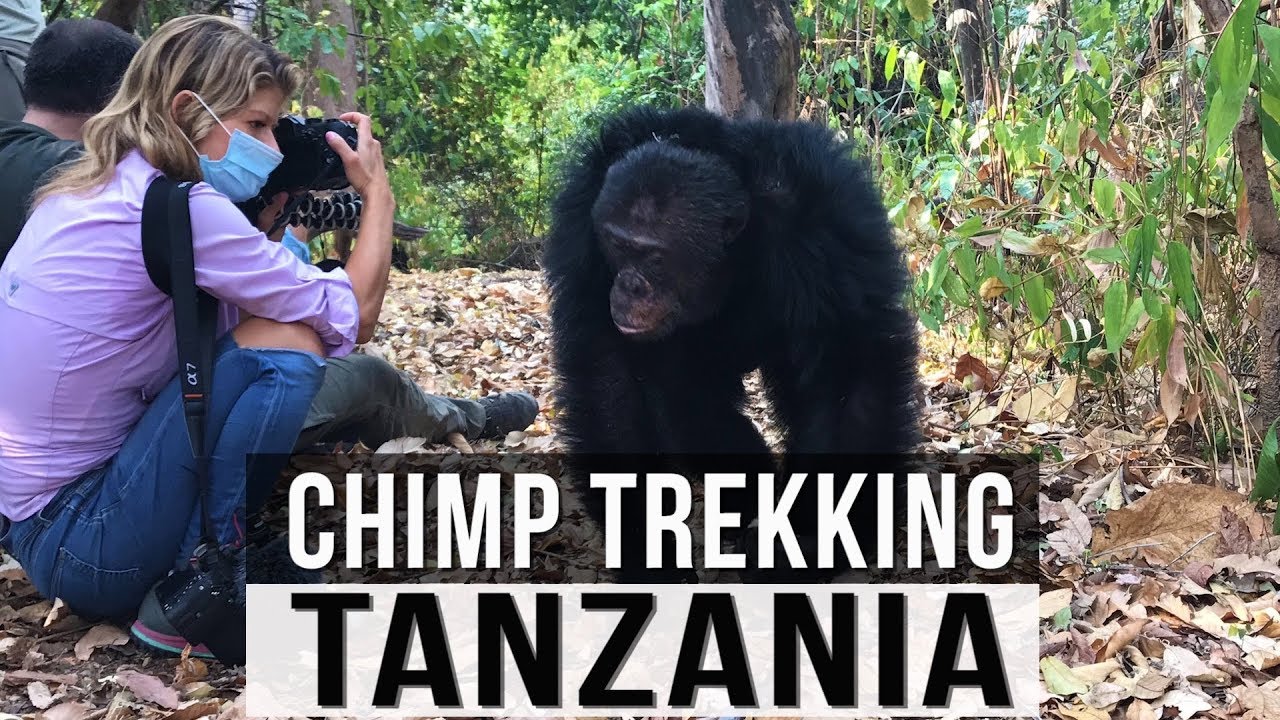
One of the most famous species in Rubondo is the chimpanzee population, introduced in the 1960s as part of a pioneering conservation project. Today, these chimpanzees live freely in the forest, behaving like wild populations and offering rare trekking opportunities for visitors.
Forest and Woodland Mammals
The island is home to several forest-adapted mammals, including:
- Sitatunga antelope (rare swamp-dwelling species)
- Bushbuck
- Vervet monkeys
- Black-and-white colobus monkeys
- Suni antelope (small and shy forest species)
Large Mammals
Rubondo also supports larger wildlife such as:
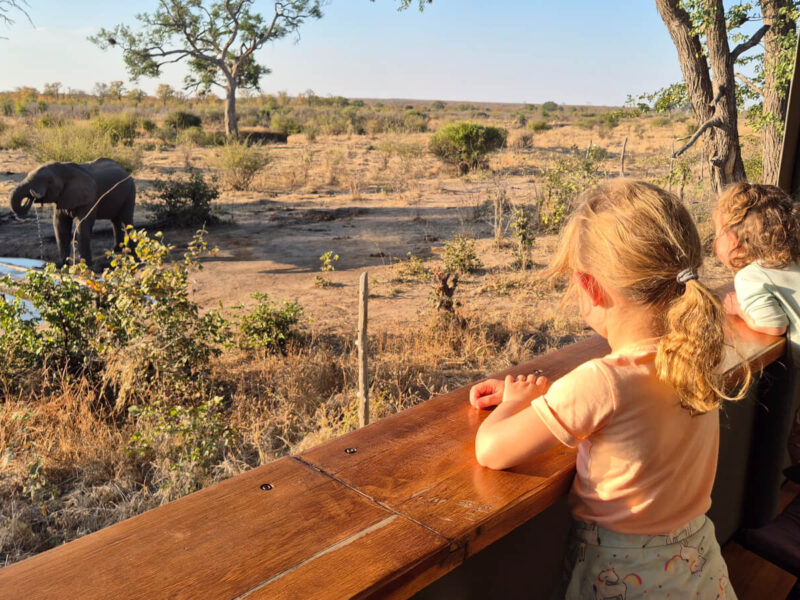
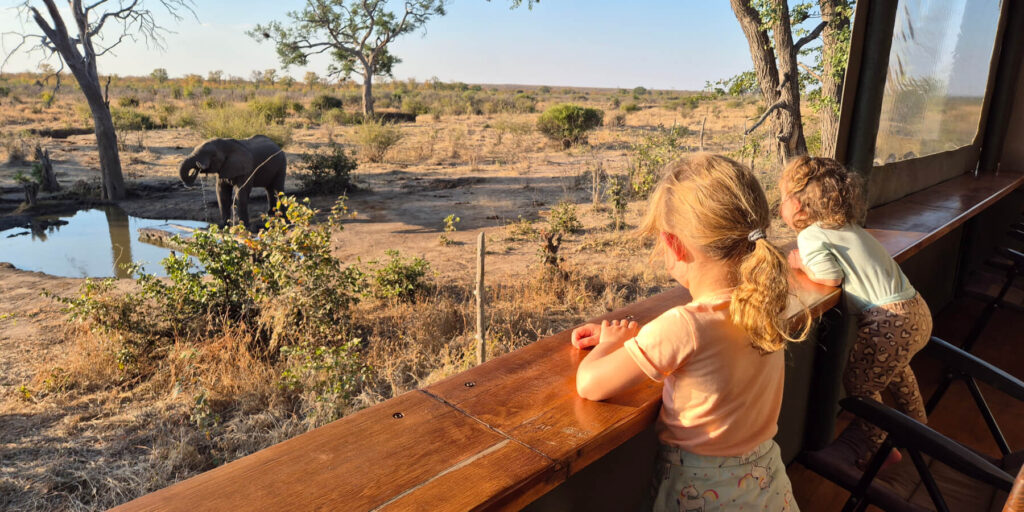
- Elephants (introduced population)
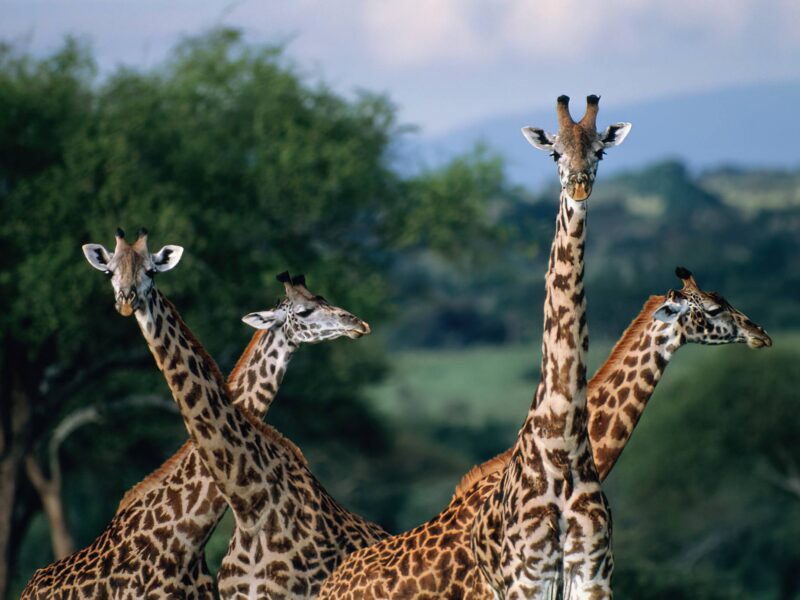
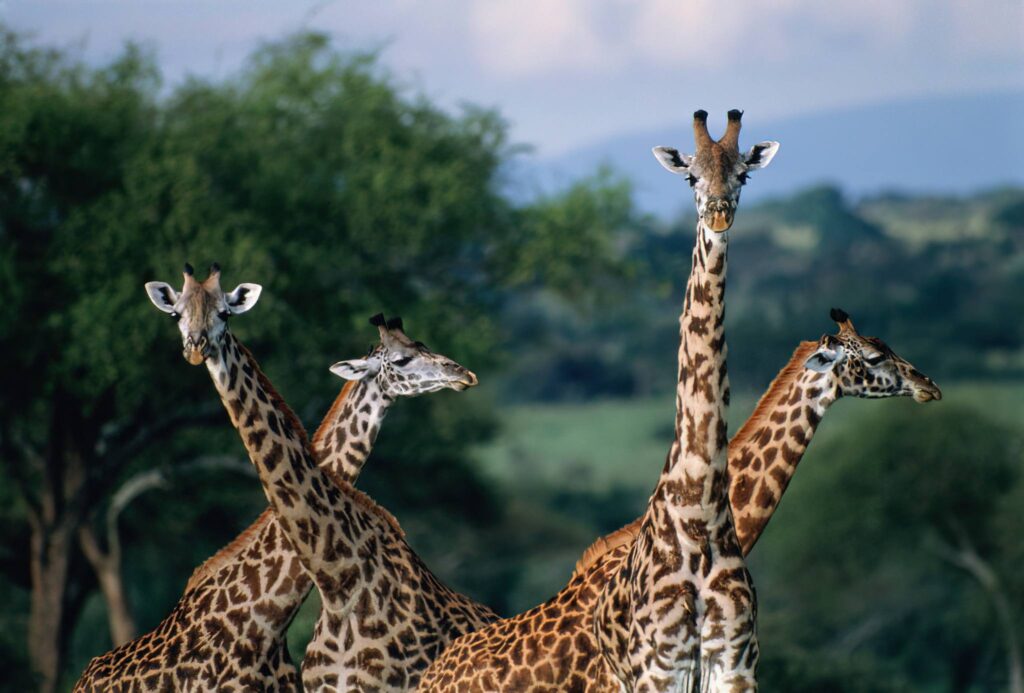
- Giraffes (introduced population)
- Hippos along lake shores and in shallow bays
These species are part of successful conservation relocation programs that make Rubondo a unique ecological experiment within Tanzania Safaris landscapes.
Predators and Small Carnivores in Rubondo Island
Are there predators in Rubondo Island National Park?
While Rubondo is not a classic predator-heavy safari park, it still hosts a variety of small carnivores and forest hunters.
Common Carnivore Species
Visitors may encounter:
- Genet cats
- Civets
- Side-striped jackals (occasionally)
- Mongooses
- Serval cats (rare sightings)
These species are mostly nocturnal or elusive, making sightings less predictable compared to savannah parks.
Ecological Role
These predators play an important role in balancing the island’s ecosystem by controlling rodent and small animal populations, contributing to the overall health of Rubondo’s biodiversity.
At Deks Safaris and Tours Ltd, we highlight Rubondo as a destination for subtle wildlife observation rather than high-intensity predator viewing within Tanzania Best Safaris.
Wildlife & Bird species in Rubondo Island National Park
Reptiles, Amphibians, and Aquatic Life
What reptiles and aquatic animals live around Rubondo Island?
Rubondo’s Lake Victoria environment supports a rich variety of reptiles and aquatic species.
Reptiles
Common reptiles include:
- Nile crocodiles along shorelines
- Monitor lizards basking on rocks and beaches
- African rock pythons in forest areas
Amphibians and Wetland Life
The island’s swamps and forest edges support frogs and other amphibians, especially during the rainy season.
Aquatic Ecosystem
Lake Victoria surrounding Rubondo is rich in fish species such as:
- Nile perch
- Tilapia
These waters also support otters, which are occasionally seen hunting along the shores.
This blend of terrestrial and aquatic ecosystems makes Rubondo a rare “lake safari” destination within Tanzania Safaris experiences.
Birdlife of Rubondo Island National Park: A Birdwatcher’s Paradise
Why is Rubondo Island famous for birds?
Rubondo Island is one of the most important birding destinations in Tanzania, with more than 300–400 recorded bird species depending on seasonal migrations. (National Parks Assoc.)
Water and Shoreline Birds
Lake Victoria provides ideal habitats for aquatic birds such as:
- African fish eagle
- Pied kingfisher
- White-breasted cormorant
- Herons and egrets
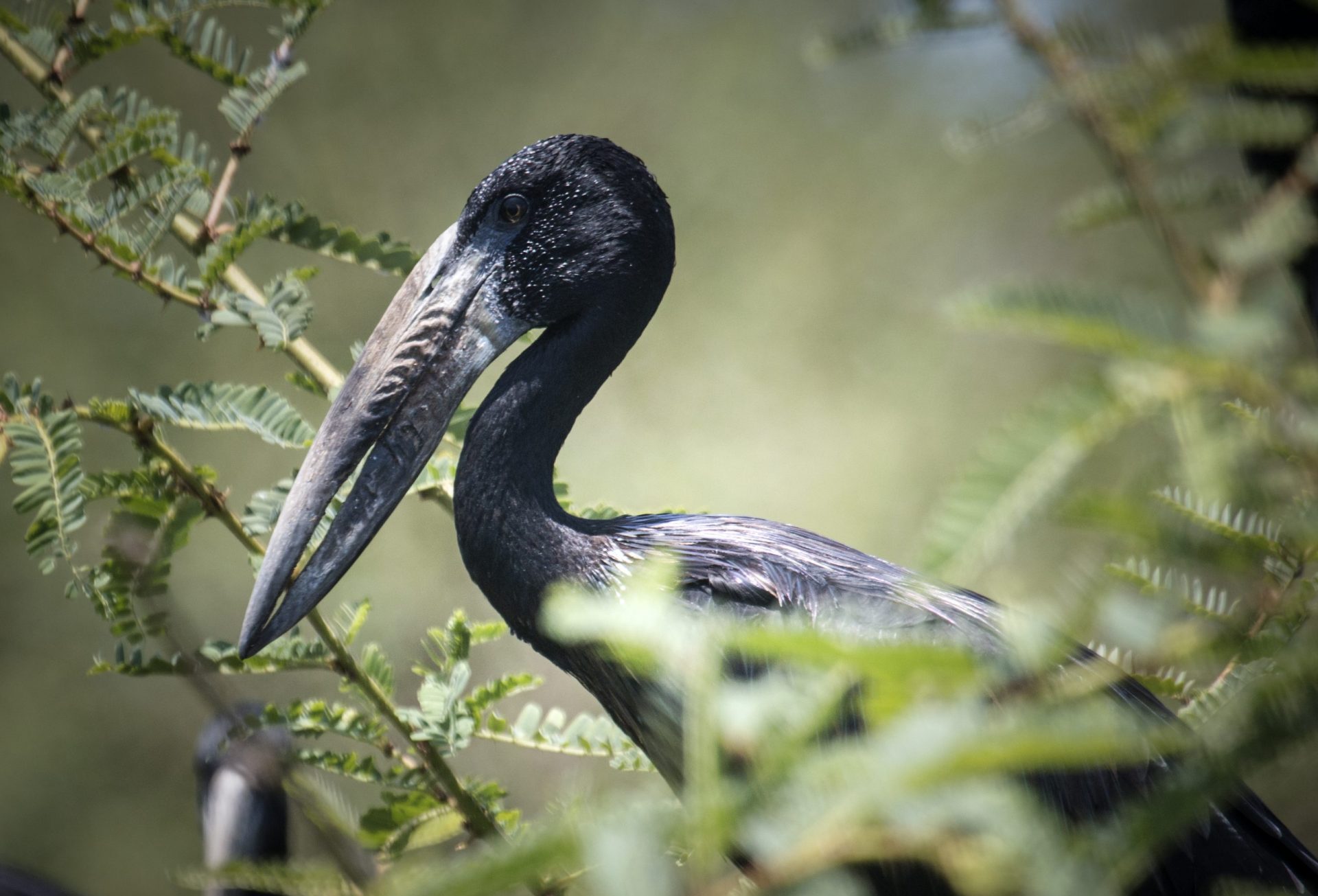
- African openbill stork
- Sacred ibis
These birds are commonly seen along beaches, swamps, and fishing areas.
Forest Birds
Inside the island’s dense forests, visitors may find:
- African grey parrot
- Hornbills
- Turacos
- Parrots and pigeons
- Various sunbirds
The African grey parrot population is particularly notable due to successful reintroduction efforts.
Migratory Bird Species
Rubondo also attracts thousands of migratory birds during certain seasons, making it an important stopover site for international bird migration routes.
At Deks Safaris and Tours Ltd, we recommend Rubondo for serious birdwatchers looking for quiet, undisturbed birding experiences within Tanzania Best Safaris.
Special Conservation Species and Introduced Wildlife
Why are some animals in Rubondo Island introduced rather than native?
Rubondo is unique because several species were introduced as part of conservation and ecological restoration programs.
Introduced Species
These include:
- Chimpanzees
- Elephants
- Giraffes
- Grey parrots
These introductions were carefully managed to create a balanced ecosystem on an uninhabited island.
Conservation Success Story
Many of these species have adapted successfully and now live wild, breeding naturally in the island environment. This makes Rubondo one of Africa’s most interesting conservation experiments.
Within Tanzania Safaris, this makes Rubondo not just a tourist destination but also a living wildlife laboratory.
Best Time to See Wildlife and Birds in Rubondo Island
When is the best time for wildlife viewing in Rubondo?
Rubondo can be visited year-round, but conditions vary seasonally.
Dry Season (June to October)
- Best for walking safaris and chimpanzee trekking
- Easier forest access
- Good general wildlife visibility
Wet Season (November to May)
- Peak bird activity and migratory species
- Lush green landscapes
- Excellent photography conditions
For Tanzania Best Safaris itineraries, both seasons offer unique advantages depending on traveler interests.
Where Can I Track Chimpanzees in Tanzania?
Conclusion: Why Rubondo Island Is a Unique Wildlife Destination in Tanzania Safaris
So, what wildlife and bird species can be seen in Rubondo Island National Park?
Rubondo Island National Park offers a rare and diverse mix of wildlife, including chimpanzees, elephants, giraffes, hippos, sitatunga antelope, and various forest mammals, alongside reptiles such as crocodiles and monitor lizards. Its surrounding Lake Victoria waters support rich aquatic life, while its forests and wetlands host an impressive range of bird species exceeding 300–400 varieties.
Unlike traditional safari destinations, Rubondo provides a peaceful, island-based wildlife experience that combines forest, lake, and conservation history into one unique ecosystem. This makes it a valuable hidden gem within Tanzania Safaris and Tanzania Best Safaris experiences.
At Deks Safaris and Tours Ltd, we position Rubondo Island as one of Tanzania’s most exclusive wildlife destinations—perfect for travelers seeking solitude, biodiversity, and a truly different safari experience away from the crowds of mainstream parks.