
Why is Kitulo National Park called the “Garden of God”?
July 10, 2026
When is whale shark season on Mafia Island?
July 14, 2026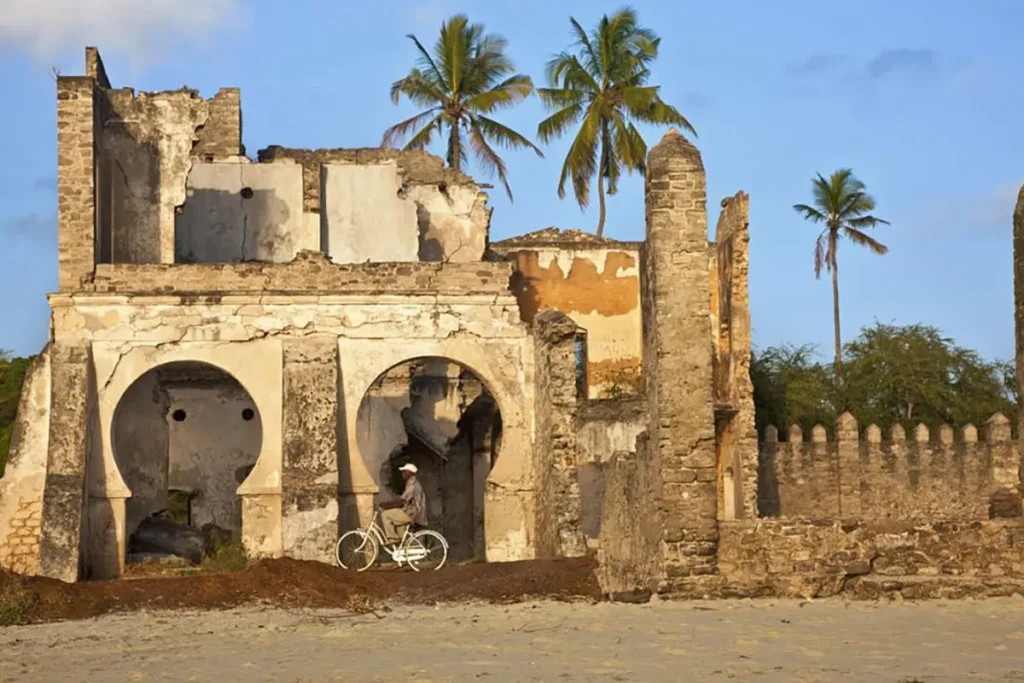
Why is Bagamoyo Town historically important?
Why does Bagamoyo hold such a powerful place in East African history?
Within the broader story of Tanzania Safaris, wildlife and landscapes often take center stage, but historical destinations like Bagamoyo add deep cultural and emotional meaning to the journey. The coastal town of Bagamoyo is one of the most historically important settlements in East Africa, once serving as a major trading hub, colonial administrative center, and a key gateway for caravan routes between the interior of Africa and the Indian Ocean.
At Deks Safaris and Tours Ltd, we describe Bagamoyo as a “living heritage town,” where layers of African, Arab, German, and Swahili history overlap. Unlike modern tourist cities, Bagamoyo preserves tangible memories of trade, migration, religion, and colonial expansion. This makes it an essential stop for travelers seeking to understand the human history behind modern Tanzania Best Safaris experiences.
The name “Bagamoyo” is often interpreted as “Lay down your heart,” reflecting the emotional weight carried by the town’s past—especially during the era of the slave trade. It was one of the final stopping points for enslaved Africans before being transported across the Indian Ocean, giving the town profound historical significance.
In this guide, Deks Safaris and Tours Ltd explores why Bagamoyo is historically important, including its role in the slave trade, caravan routes, colonial administration, religion, education, and cultural heritage tourism within modern Tanzania.
Bagamoyo and the East African Slave Trade History
What role did Bagamoyo play in the slave trade era?
One of the most significant reasons Bagamoyo is historically important is its role in the East African slave trade. During the 18th and 19th centuries, Bagamoyo became a key coastal transit point for enslaved people brought from inland regions of East and Central Africa.
Final Stop Before the Ocean Crossing
Enslaved individuals transported from interior regions such as present-day Congo, Uganda, and Tanzania would pass through long caravan routes and eventually arrive in Bagamoyo. From here, many were shipped across the Indian Ocean to Zanzibar, the Middle East, and beyond.
A Place of Deep Historical Memory
The emotional meaning of Bagamoyo—often translated as “Lay down your heart”—is associated with the suffering, exhaustion, and loss experienced by captives who reached the coast after long journeys.
Preserved Historical Sites
Today, visitors can still explore remnants of this history, including old slave market areas, mission stations, and colonial-era buildings that reflect this painful but important chapter in Tanzania Safaris heritage tourism.
At Deks Safaris and Tours Ltd, we emphasize respectful historical interpretation when visiting Bagamoyo’s heritage sites.
Caravan Trade and Economic Importance in East Africa
Why was Bagamoyo important for trade in East Africa?
Beyond the slave trade, Bagamoyo was a major commercial hub during the caravan trade era, connecting inland Africa with coastal trade networks.
Ivory and Spice Trade Routes
Caravans transported goods such as ivory, salt, and animal skins from the interior of Africa to Bagamoyo. From there, goods were exported to the Middle East, India, and Europe.
Major Caravan Terminus
Bagamoyo served as the final stop for caravan routes, making it one of the busiest trading ports in East Africa during the 19th century.
Cultural Exchange Hub
This trade activity brought together African, Arab, Indian, and European traders, shaping Bagamoyo into a culturally diverse settlement.
Within Tanzania Best Safaris cultural circuits, Bagamoyo represents the historical foundation of Tanzania’s coastal trade economy.
German Colonial History in Bagamoyo
How did German colonial rule influence Bagamoyo’s importance?
During the late 19th century, Bagamoyo became one of the earliest administrative centers of German East Africa.
Early Colonial Capital
Before Dar es Salaam became the main administrative city, Bagamoyo served as an important colonial headquarters for German administration.
Infrastructure and Architecture
The Germans introduced buildings, mission stations, and administrative structures that still exist today. These historical buildings are part of Bagamoyo’s heritage tourism appeal.
Military and Administrative Role
Bagamoyo was strategically important for controlling trade routes and coastal access during colonial rule.
At Deks Safaris and Tours Ltd, we position Bagamoyo as a key stop for travelers interested in colonial history within Tanzania Safaris heritage experiences.
Christian Missions and Education History
What role did missionaries play in Bagamoyo’s history?
Bagamoyo was also a center for early Christian missionary activity in East Africa.
First Mission Stations
Missionaries established churches and schools in Bagamoyo, contributing to early education and religious development in the region.
Preservation of History
Some of these mission buildings still exist and are part of guided historical tours.
Cultural Transformation
The arrival of missionaries introduced new religious, educational, and social systems that influenced coastal communities.
This adds another layer of cultural significance to Bagamoyo within Tanzania Safaris cultural heritage routes.
Swahili Culture and Coastal Identity
How does Bagamoyo reflect Swahili heritage?
Bagamoyo is also an important center of Swahili culture, which defines much of Tanzania’s coastal identity.
Traditional Swahili Architecture
The town features coral stone buildings, carved wooden doors, and narrow streets that reflect Swahili coastal design.
Cultural Fusion
Swahili culture in Bagamoyo is a blend of African, Arab, and Indian influences developed over centuries of trade and interaction.
Music, Art, and Traditions
Bagamoyo is also known for traditional music and arts, which continue to play a role in cultural preservation today.
Within Tanzania Best Safaris coastal experiences, Bagamoyo offers authentic cultural immersion beyond wildlife tourism.
Modern Cultural Tourism in Bagamoyo
What can visitors experience in Bagamoyo today?
Today, Bagamoyo is a peaceful heritage town that attracts visitors interested in history, culture, and architecture.
Historical Site Visits
Travelers can explore:
- Old slave trade sites
- Colonial buildings
- Mission stations
- Museums and cultural centers
Art and Cultural Festivals
Bagamoyo hosts cultural festivals that celebrate Tanzanian music, dance, and heritage.
Relaxed Coastal Atmosphere
In addition to history, Bagamoyo offers a quiet coastal environment suitable for cultural tourism and relaxation.
At Deks Safaris and Tours Ltd, we recommend Bagamoyo as a cultural extension to Tanzania Safaris itineraries focused on history and heritage.
Conclusion: Why Bagamoyo Is Historically Important
So, why is Bagamoyo Town historically important?
Bagamoyo is historically important because it was a central hub in East African history, serving as a major slave trade transit point, caravan trade terminus, colonial administrative center, missionary settlement, and cultural melting pot.
Its name, architecture, and preserved heritage sites reflect centuries of human movement, trade, suffering, and cultural exchange. Today, it stands as one of Tanzania’s most significant historical towns, offering visitors a powerful contrast to wildlife-focused safari destinations.
At Deks Safaris and Tours Ltd, we position Bagamoyo as an essential cultural and historical destination within Tanzania Safaris and Tanzania Best Safaris itineraries, helping travelers understand the deep human history that shaped East Africa’s coastal identity.