August 11, 2024
Published by Samuel Digital Agency on August 11, 2024
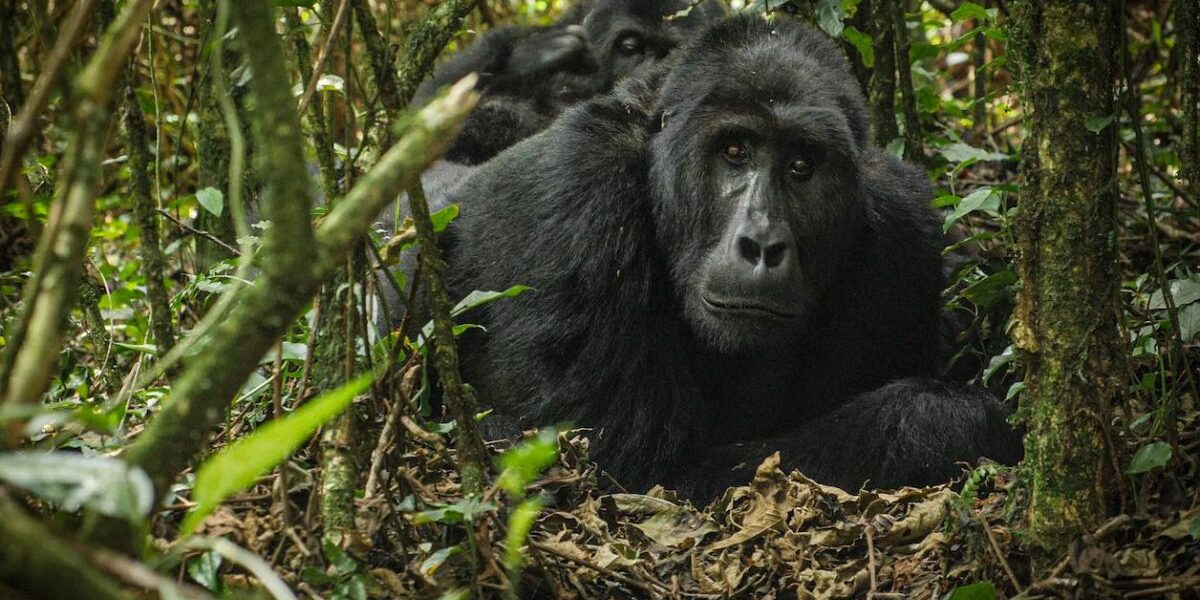
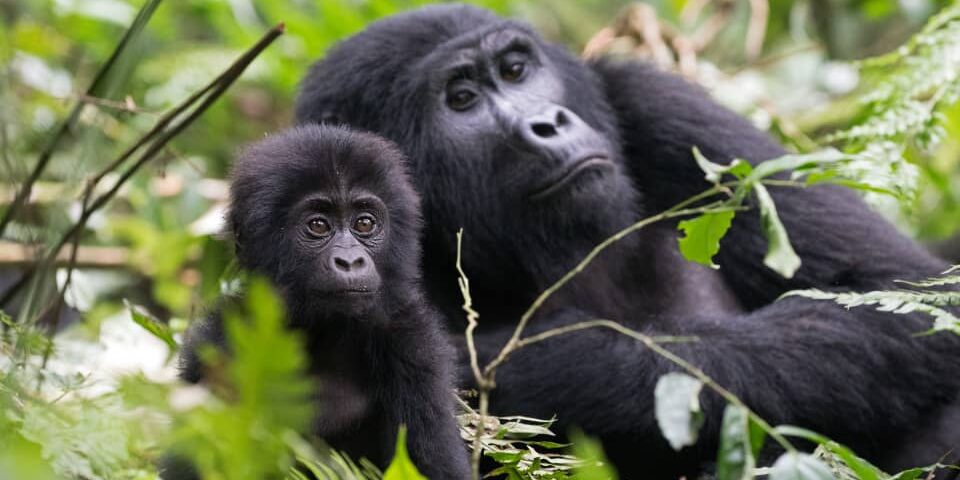
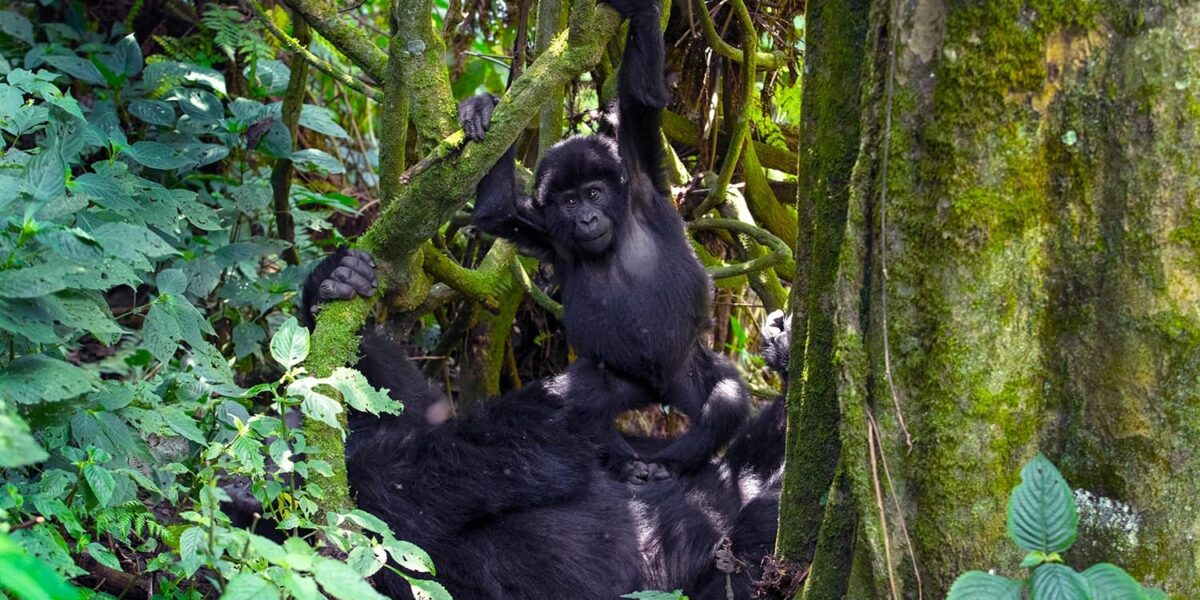
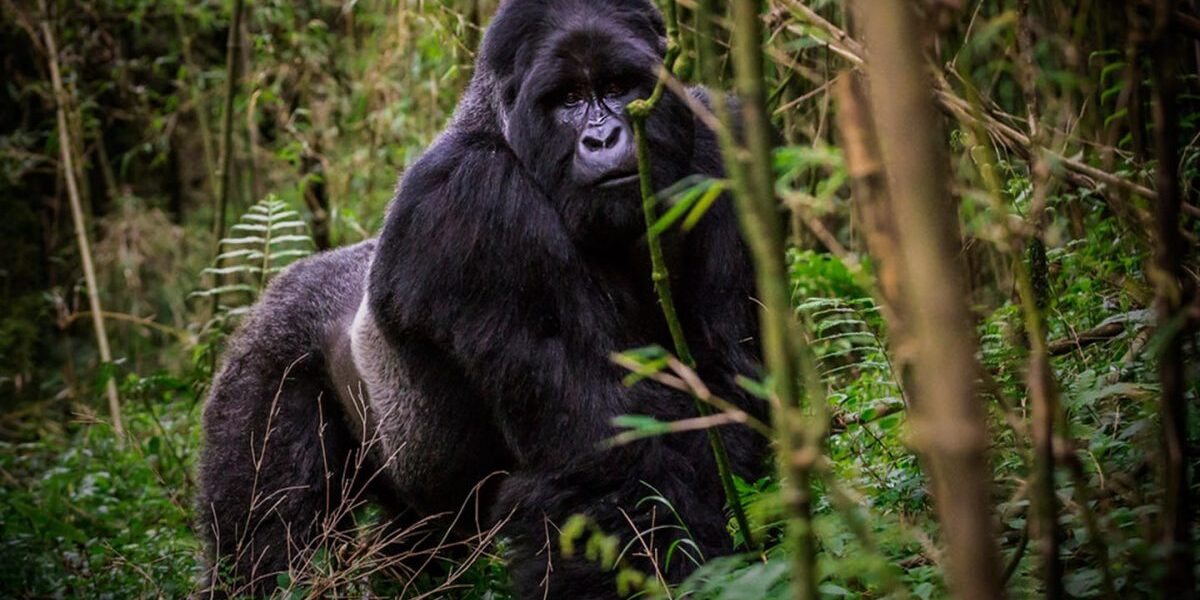
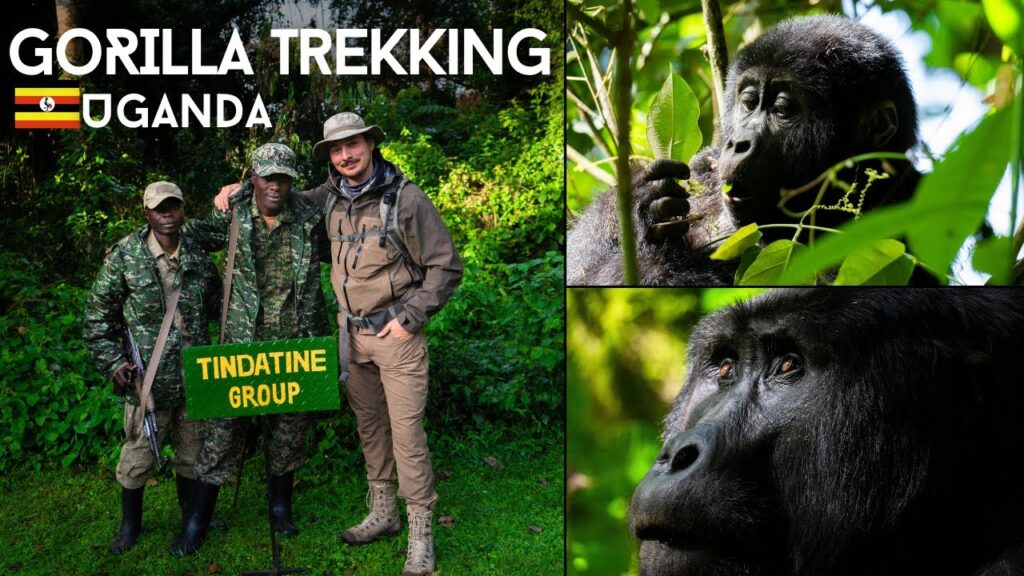
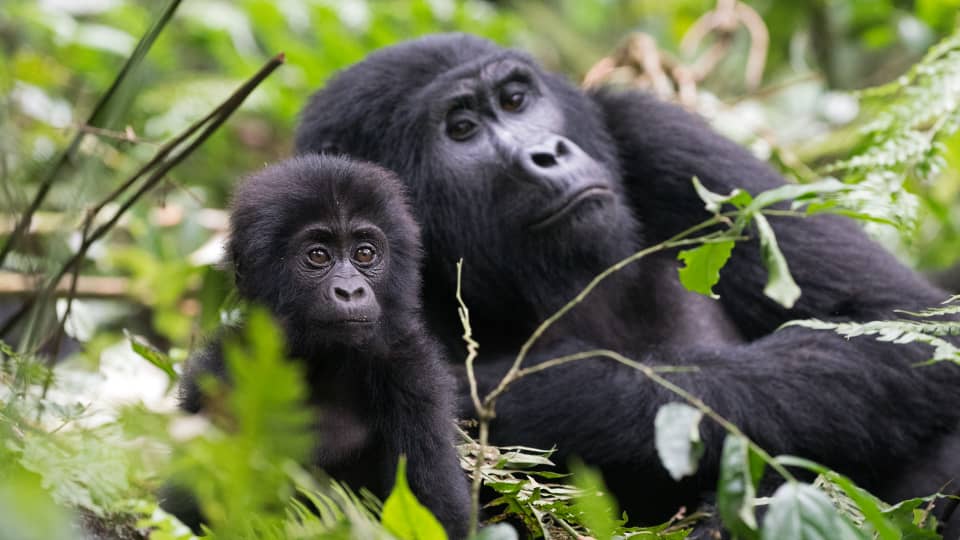
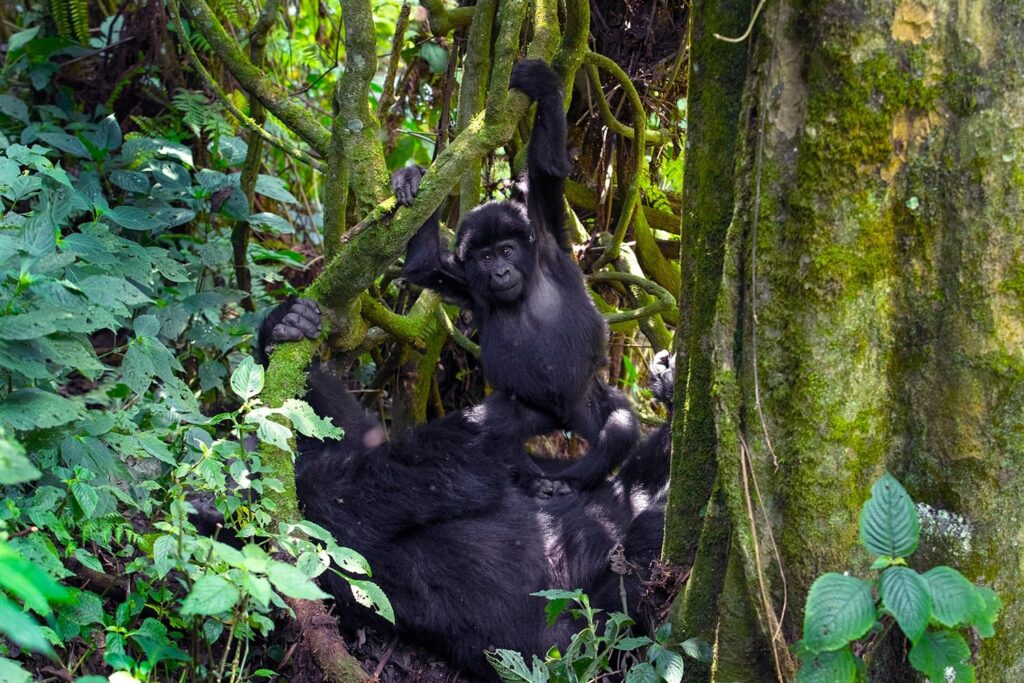
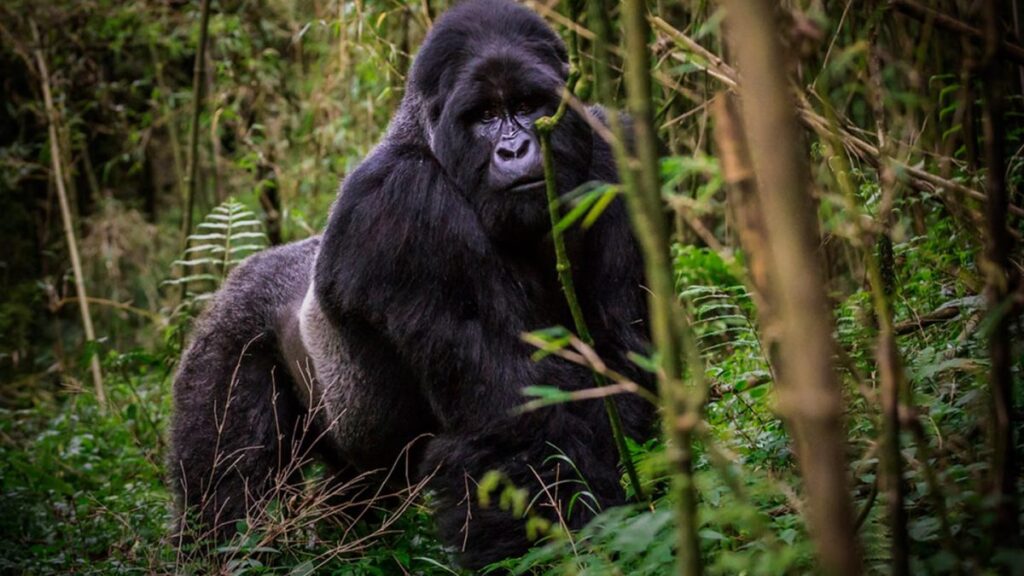
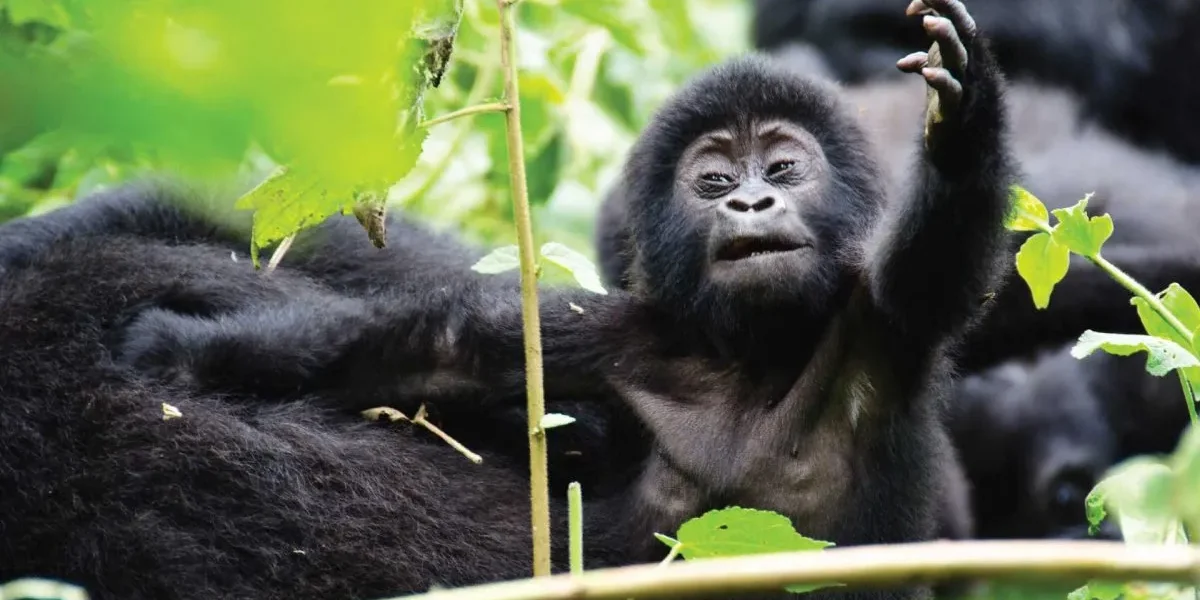
Discover unforgettable gorilla trekking safaris in Uganda and Rwanda. Explore the best trekking routes, permit rates, and exclusive experiences. Plan your gorilla trekking adventure today. Gorilla trekking is one of the most sought-after wildlife experiences globally, offering an unparalleled opportunity to encounter mountain gorillas in their natural habitats. Nestled deep in the lush forests of East Africa, Uganda and Rwanda host the world’s largest population of mountain gorillas. These majestic creatures, which share 98% of our DNA, live in family groups, led by a dominant silverback male. Trekking through dense forests to observe these gentle giants in their natural environment is a life-changing experience, offering profound insights into their behavior, social dynamics, and the ecosystems they inhabit.
Winton Africa Safaris specializes in creating immersive gorilla trekking safaris that blend adventure with conservation awareness. Whether you’re seeking a one-day trekking experience or a multi-day safari combining other wildlife and cultural attractions, we ensure your journey is seamless, safe, and unforgettable. Both Uganda and Rwanda are premier Africa safari destinations for gorilla trekking, boasting thriving gorilla populations, world-class trekking infrastructure, and breathtaking landscapes.
Embark on an extraordinary 3-Day Rwanda Gorilla Trekking, Iby’Iwacu Cultural Village, and Golden Monkey Tracking Safari with Winton Africa Safaris, where adventure meets cultural immersion in the heart of Rwanda’s iconic landscapes.
Where To Go: Kigali Rwanda, Volcanoes National Park, Iby’Iwachu Cultural Village
What to Experience: Gorilla Trekking, Culture, Golden Monkey Tracking
When to Go: All Year Round
Trip Cost: $3,362 Per Person Sharing
This 4 Days Rwanda Gorilla Tracking Safari adventure offers an immersive blend of wildlife, culture, and scenic beauty, perfect for travelers seeking a compact yet enriching safari experience.
Where To Go: Kigali Rwanda, Volcanoes National Park, Iby’Iwachu Cultural Village
What to Experience: Gorilla Trekking, Culture, Golden Monkey Tracking
When to Go: All Year Round
Trip Cost: $3,562 Per Person Sharing
Embark on a breathtaking 3-day Bwindi Gorilla Trekking Safari from Kigali, Rwanda, with Winton Africa Safaris, where you’ll experience the thrill of encountering one of the world’s most endangered species.
Where To Go: Kigali Rwanda, Bwindi Impenetrable Forest, Kisoro Uganda
What to Experience: Gorilla Trekking, Batwa Cultural Experience
When to Go: All Year Round
Trip Cost: $1,662 Per Person Sharing
Uganda, known as the “Pearl of Africa,” offers some of the most incredible wildlife experiences, with mountain gorilla trekking in Bwindi Impenetrable Forest at the top of the list. This 3-day Bwindi Gorilla Tracking.
Where To Go: Kampala Uganda, Bwindi Impenetrable Forest, Kisoro Uganda
What to Experience: Gorilla Trekking, Batwa Cultural Experience
When to Go: All Year Round
Trip Cost: $1,662 Per Person Sharing
Uganda’s Bwindi Impenetrable National Park, home to more than half of the world’s remaining mountain gorillas, is not only a wildlife haven but also a region deeply enriched with diverse cultural traditions.
Where To Go: Kigali Rwanda, Bwindi Impenetrable Forest, Kisoro Uganda, Mgahinga
What to Experience: Gorilla Trekking, Batwa Cultural Experience, Golden Monkey
When to Go: All Year Round
Trip Cost: $1,890 Per Person Sharing
Embark on an unforgettable 5-Day Uganda Gorilla Trekking & Kibale Chimpanzee Safari journey through Uganda’s breathtaking landscapes and rich cultural heritage, featuring an exhilarating
Where To Go: Kigali Rwanda, Bwindi Impenetrable Forest, & Kibale National Park
What to Experience: Gorilla Trekking, Batwa Cultural Experience, Chimpanzee Tracking
When to Go: All Year Round
Trip Cost: $2,490 Per Person Sharing
Embark on an unforgettable 3-day Gorilla Trekking Safari to Mgahinga Gorilla National Park, Uganda’s smallest but most scenic national park located in the southwestern corner of the country.
Where To Go: Entebbe Uganda, Mgahinga Gorilla National Park
What to Experience: Gorilla Trekking, Batwa Cultural Experience.
When to Go: All Year Round
Trip Cost: $1,689 Per Person Sharing
The 3-Day Gorilla Habituation Safari in Bwindi Impenetrable Forest is one of the most thrilling and immersive wildlife experiences that any traveler could wish for. Bwindi Forest, located in the southwestern region.
Where To Go: Entebbe Uganda, Bwindi Impenetrable National Park
What to Experience: Gorilla Habituation, Batwa Cultural Experience.
When to Go: All Year Round
Trip Cost: $3,289 Per Person Sharing
Embark on an unforgettable 6 Days Uganda Chimpanzee Tracking and Gorilla Trekking Safari that combines encounters with Uganda’s iconic primates—chimpanzees and mountain gorillas—with scenic.
Where To Go: Entebbe Uganda, Bwindi Impenetrable National Park, Kibale Forest National Park
What to Experience: Gorilla Tracking, Batwa Cultural Experience, Chimps Tracking
When to Go: All Year Round
Trip Cost: $2,859 Per Person Sharing
Uganda, known as the “Pearl of Africa,” is a country that offers unparalleled natural beauty, a wealth of wildlife, and a chance to explore the untouched corners of the world. The 7-Day Uganda Gorilla Trekking and Nature Walk Hiking Safari
Where To Go: Entebbe Uganda, Bwindi Impenetrable National Park, Kibale Forest National Park
What to Experience: Gorilla Tracking, Batwa Cultural Experience, Chimps Tracking
When to Go: All Year Round
Trip Cost: $2,980 Per Person Sharing
Uganda, the “Pearl of Africa,” is a land of breathtaking landscapes, rich biodiversity, and cultural heritage. Its dense rainforests, sweeping savannahs, and striking volcanic mountains provide the ideal setting.
Where To Go: Entebbe Uganda, Bwindi Impenetrable National Park, Kibale Forest National Park
What to Experience: Gorilla Tracking, Batwa Cultural Experience, Chimps Tracking
When to Go: All Year Round
Trip Cost: $3,480 Per Person Sharing
Embark on a remarkable journey through the heart of East Africa on a 9-Day Uganda Primates & Big5 Wildlife Safari adventure combining thrilling wildlife encounters, the enchanting cultures surrounding.
Where To Go: Entebbe Uganda, Bwindi Impenetrable National Park, Kibale Forest, Queen Elizbeth National Parks
What to Experience: Gorilla Tracking, Batwa Cultural Experience, Chimps Tracking, Big5 Safari
When to Go: All Year Round
Trip Cost: $3,890 Per Person Sharing
Embark on an unforgettable adventure with Winton Africa Safaris Ltd as we take you through a remarkable 10-Day Gorilla Trekking Uganda Big5 Wildlife Safari experience. This journey blends extraordinary wildlife.
Where To Go: Entebbe Uganda, Bwindi Impenetrable National Park, Kibale Forest, Queen Elizbeth, Murchison Falls, Ziwa Rhinos
What to Experience: Gorilla Tracking, Batwa Cultural Experience, Chimps Tracking, Big5 Safari
When to Go: All Year Round
Trip Cost: $4,690 Per Person Sharing
Hoima Road, Kampala, Central Region, 256 Uganda
P.O. Box 730001 Kampala, Uganda
WhatsApp: +256 708 099401
trips@wintonafricasafaris.com
wintonafricasafaris@gmail.com
www.wintonafricasafaris.com
Gorilla trekking is an extraordinary wildlife experience that offers the rare opportunity to observe endangered mountain gorillas in their natural habitats. Uganda and Rwanda, home to the majority of the world’s mountain gorillas, provide some of the best trekking destinations. From the dense jungles of Uganda to Rwanda’s volcanic landscapes, each destination offers a unique and unforgettable adventure.
Bwindi Impenetrable National Park is a UNESCO World Heritage Site renowned for its biodiversity and as Uganda’s premier gorilla trekking destination. Located in southwestern Uganda, Bwindi is home to almost half of the world’s remaining mountain gorillas, with over 20 habituated gorilla families available for trekking.
Volcanoes National Park, located in northwestern Rwanda, is a world-class destination for gorilla trekking. This park, part of the Virunga Mountains, is where Dian Fossey conducted her groundbreaking gorilla research, immortalizing the region in conservation history.
Mgahinga Gorilla National Park, Uganda’s smallest national park, offers an intimate and serene gorilla trekking experience. Nestled within the Virunga Mountain Range, the park is a lesser-known gem for encountering gorillas.
| Destination | Key Features | Other Activities |
| Bwindi Impenetrable National Park | Largest gorilla population; multiple trekking sectors; challenging terrain | Nature walks, birdwatching, community tours |
| Mgahinga Gorilla National Park | Exclusive Nyakagezi group; golden monkey tracking; volcanic scenery | Hiking, Batwa cultural experiences, birdwatching |
| Volcanoes National Park | Accessible from Kigali; luxurious experience; shorter trekking durations | Golden monkey tracking, Mount Bisoke hike, cultural tours |
Gorilla trekking is a once-in-a-lifetime adventure that allows you to connect with the majestic mountain gorillas in their natural habitat. Uganda and Rwanda stand out as the ultimate destinations for this incredible experience. With their unique blend of biodiversity, accessibility, and conservation efforts, these countries offer an unparalleled opportunity for nature lovers and adventurers alike. Here’s why Uganda and Rwanda should top your list for gorilla trekking safaris.
| Aspect | Uganda | Rwanda |
| Permit Cost | $800 | $1,500 |
| Accessibility | Moderate travel time | Close to Kigali Airport |
| Diversity | Multiple parks and trails | Shorter, well-organized treks |
| Conservation Focus | Community partnerships | High revenue for conservation |
For an unforgettable journey into the heart of nature, Uganda and Rwanda remain unmatched destinations for gorilla trekking. Explore with Winton Africa Safaris to make your dream adventure a reality.
Gorilla trekking is a once-in-a-lifetime adventure, and obtaining a gorilla trekking permit is the first essential step in making this dream a reality. These permits ensure a regulated and sustainable approach to encountering mountain gorillas, while also supporting conservation efforts and local communities. Whether you’re planning to trek in Uganda or Rwanda, understanding the costs and process of securing your permit is crucial.
In Uganda, a gorilla tracking permit costs $800 per person per trek. This fee allows access to either Bwindi Impenetrable National Park or Mgahinga Gorilla National Park. Uganda also offers discounted permits at $700 for East African residents and $70 for East African citizens, making it a cost-effective option for various travelers.
In Rwanda, the cost of a gorilla trekking permit is $1,500 per person per trek. This premium price reflects the country’s focus on high-end tourism and conservation efforts in Volcanoes National Park. Rwanda offers special discounts, such as $500 permits for East African residents and reduced rates for conference delegates who extend their stays.
| Country | Permit Cost (USD) | Discounts | Additional Perks |
| Uganda | $800 | $700 for East African residents | Affordable access, diverse parks |
| Rwanda | $1,500 | $500 for East African residents; delegate rates | Premium experience, easy access |
Gorilla trekking is a thrilling adventure that demands a combination of physical readiness, mental preparation, and careful packing. Exploring the dense forests of Uganda and Rwanda to observe the majestic mountain gorillas is a once-in-a-lifetime experience, and proper preparation ensures you enjoy every moment of it. Gorilla trekking requires navigating uneven terrain, steep slopes, and dense vegetation, often for several hours. Preparing your body and mind will help you make the most of this experience.
Packing the right gear is crucial for comfort and safety during your trek.
Gorilla trekking is one of the most extraordinary wildlife encounters in the world. Nestled in the lush forests of Uganda and Rwanda, these treks offer an unparalleled opportunity to observe endangered mountain gorillas in their natural habitats. However, understanding what to expect during your trek is crucial for maximizing your experience and preparing for this once-in-a-lifetime adventure.
The adventure begins early in the morning as you set out to your designated trekking base. In Uganda, this could be at Bwindi Impenetrable National Park or Mgahinga Gorilla National Park, while in Rwanda, treks take place in Volcanoes National Park.
After a short briefing by park rangers, you’ll learn about the rules and expectations for interacting with gorillas, as well as safety measures to ensure a respectful and safe experience for both visitors and the gorillas. Groups are formed, with a maximum of eight trekkers assigned to each gorilla family, and guides lead the way into the forest.
Trekking through the dense forest is a thrilling part of the adventure. The terrain varies, with paths winding through thick vegetation, steep slopes, and sometimes muddy trails. Depending on the location of the gorilla family, the trek can take anywhere from 1 to 8 hours, making this an activity that requires moderate physical fitness.
Along the way, you’ll encounter a stunning array of biodiversity, from vibrant birdlife to smaller primates, and lush vegetation unique to the region. The anticipation builds as your guides use their expertise to track the gorillas, following signs such as broken vegetation, dung, and vocalizations.
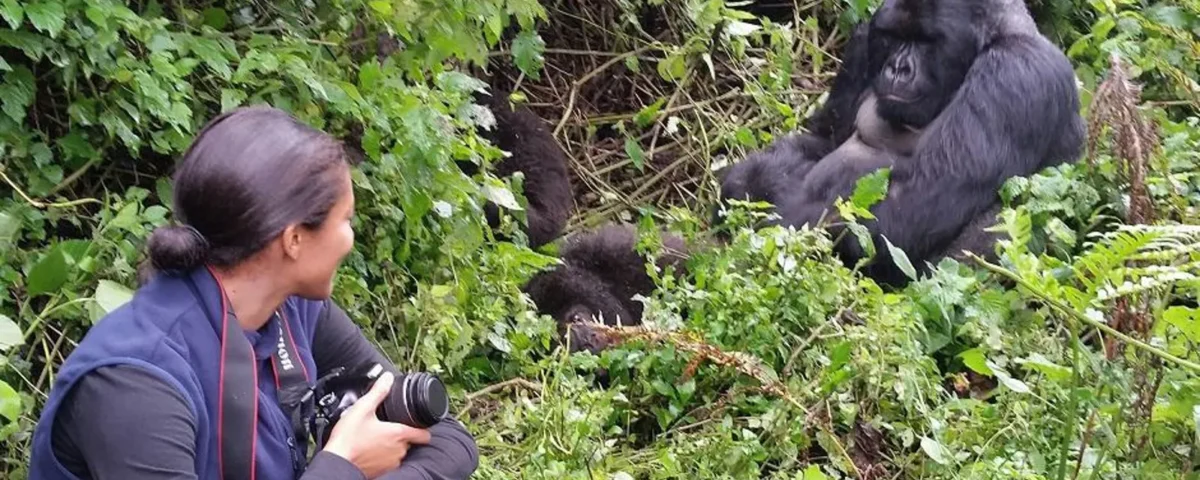
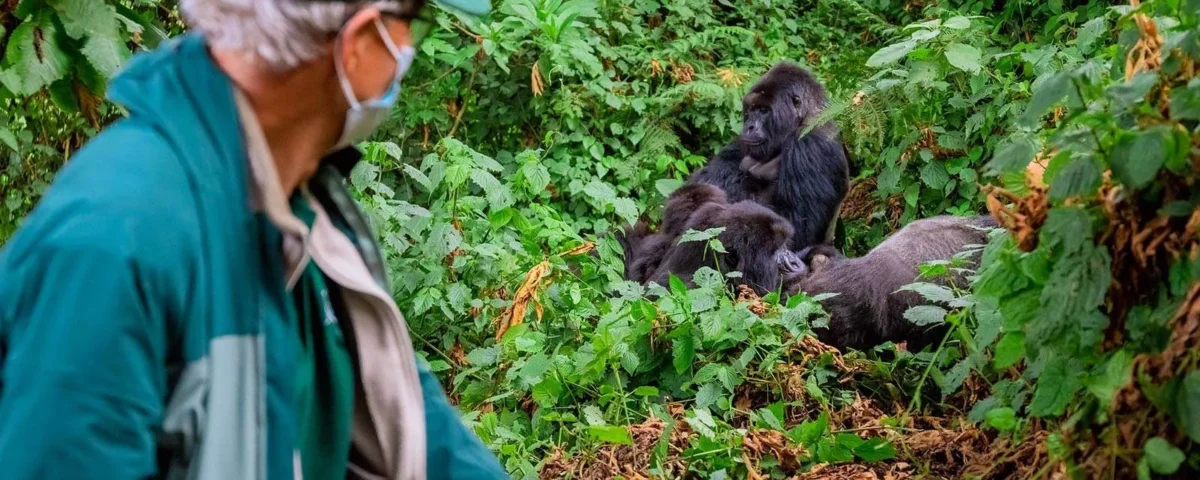
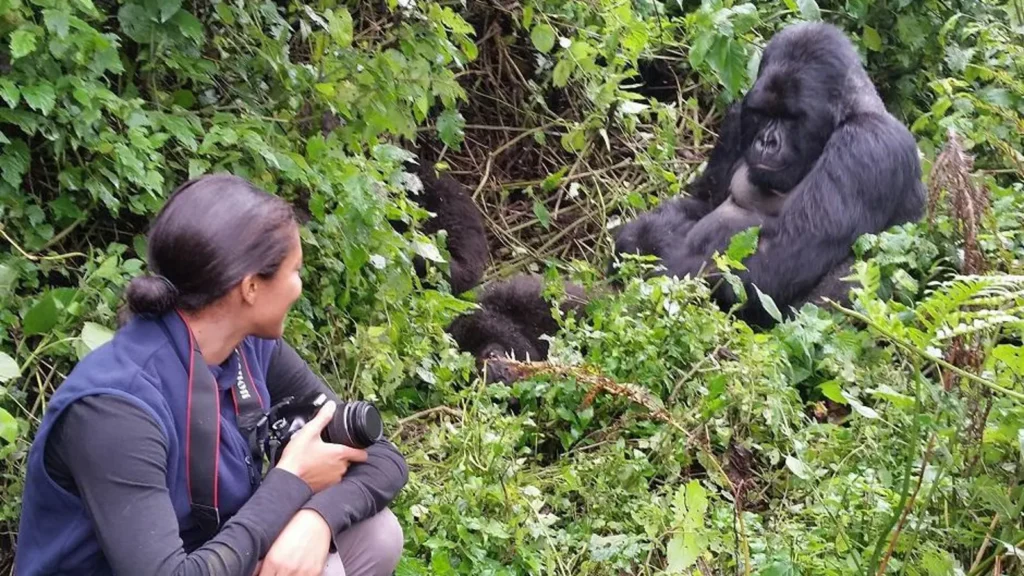
After hours of trekking, you’ll finally meet the gorillas. The moment is both exhilarating and humbling as you observe these majestic creatures in their natural habitat. You’ll spend a maximum of one hour with the gorilla family.
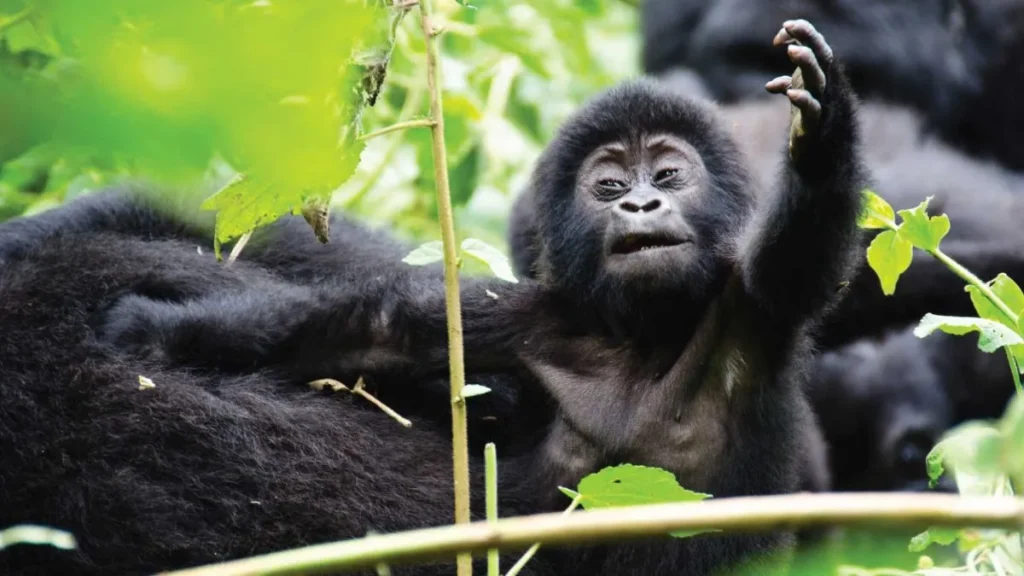
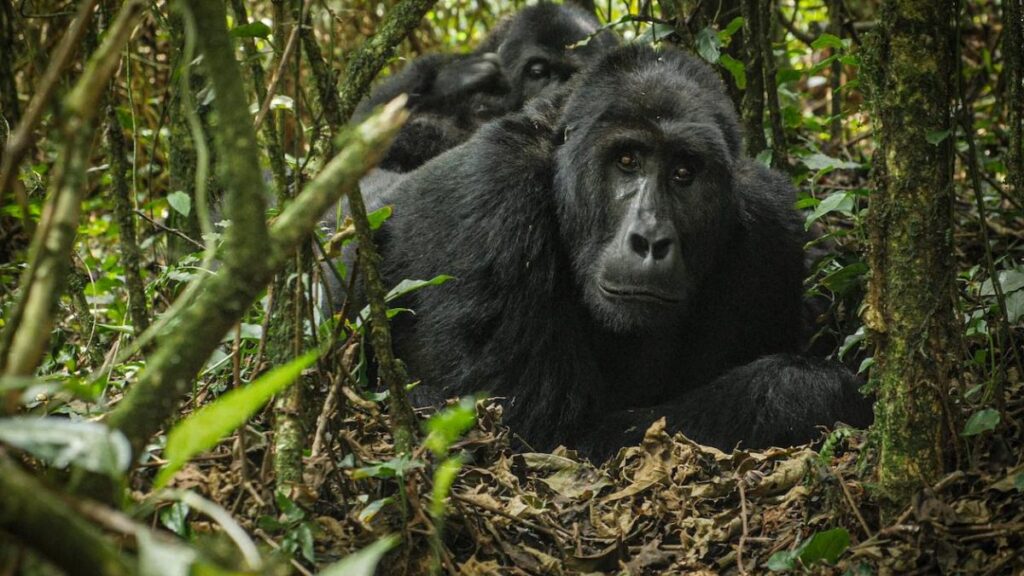
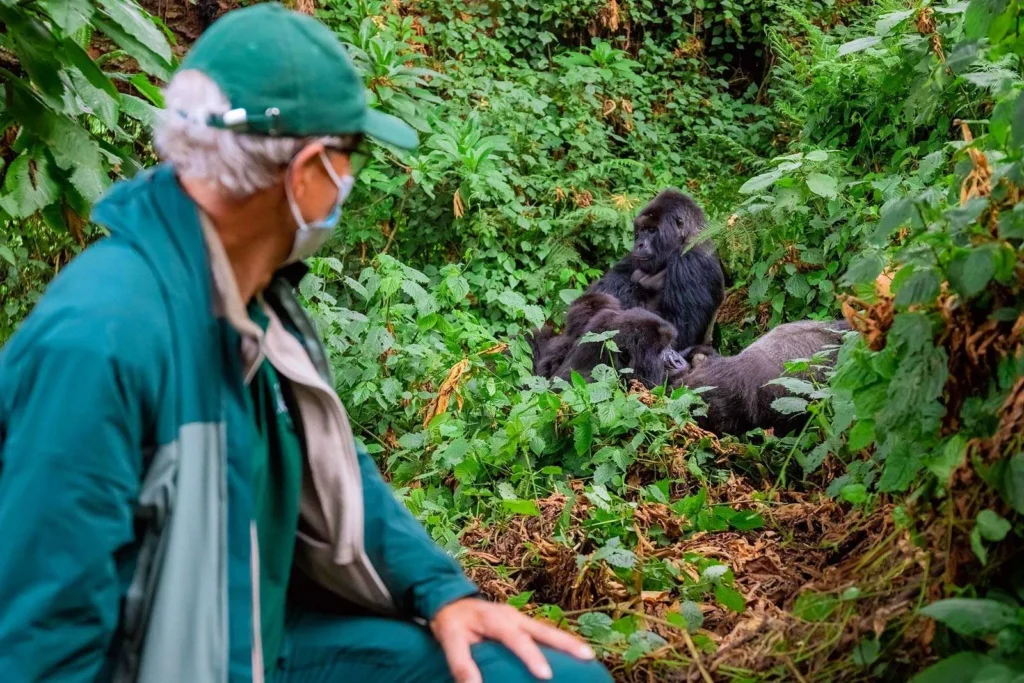
During this time, you can watch them forage, groom, play, and interact with each other. The silverback, the dominant male, often commands attention with his sheer size and presence, while the playful juveniles bring moments of joy and entertainment. Visitors must maintain a distance of at least 7 meters to avoid disturbing the gorillas or transmitting human illnesses.
After your encounter, you’ll trek back to the starting point, reflecting on the profound experience. Many trekkers describe the encounter as life-changing, a reminder of the shared bond between humans and these gentle giants. Upon your return, you’ll receive a certificate to commemorate your trek, a memento of your adventure.
Gorilla trekking is an extraordinary wildlife experience, offering travelers the chance to observe endangered mountain gorillas in their natural habitat. To protect these remarkable creatures and their fragile ecosystems, both Uganda and Rwanda have established a strict set of rules and guidelines. Following these regulations ensures the safety of both gorillas and trekkers, while preserving the environment for future generations.
Mountain gorillas are critically endangered, with only around 1,000 individuals remaining in the wild. These rules are designed to protect them from human disturbances, prevent the transmission of diseases, and maintain the integrity of their natural habitat. Adherence to these guidelines is not only mandatory but also a mark of respect for these majestic animals and their conservation efforts.
To participate in gorilla trekking, visitors must secure a permit in advance. In Uganda, the permit costs $800 per person, while in Rwanda, it is $1,500 per person. These fees directly contribute to conservation initiatives and local community development.
Only eight visitors are allowed to trek to each gorilla family per day. This limit minimizes the stress on gorillas and reduces human impact on their environment.
Trekkers must be in good health to prevent transmitting illnesses to the gorillas. Anyone showing signs of contagious diseases such as flu or cough may not be allowed to trek.
Participants must be at least 15 years old to join a gorilla trekking expedition.
Trekkers must keep a distance of at least 7 meters (21 feet) from the gorillas at all times. This reduces the risk of disease transmission and prevents the gorillas from feeling threatened.
Photography is encouraged, but the use of flash is strictly prohibited as it can startle or agitate the gorillas.
Trekkers should speak in whispers and avoid sudden movements. Loud noises or erratic behavior can disturb the gorillas or provoke defensive reactions.
While gorillas may occasionally approach humans, visitors should never touch them. Physical contact can transmit diseases and disrupt their natural behavior.
Trekkers must carry back all waste, including biodegradable items, to maintain the pristine condition of the forest.
Stay on designated trekking paths to avoid damaging the vegetation and disrupting other wildlife.
By adhering to the rules, trekkers play an active role in conserving mountain gorillas and supporting the communities that live near their habitats.
Failure to adhere to these guidelines can lead to fines, cancellation of the trekking permit, or being barred from future treks. These strict measures underscore the importance of compliance in protecting mountain gorillas.
Gorilla trekking safaris in Uganda and Rwanda offer travelers the chance to experience the raw beauty of nature and come face-to-face with mountain gorillas. While both countries provide exceptional gorilla trekking opportunities, they have distinct features that may influence your choice. This article compares Uganda and Rwanda for gorilla trekking safaris, highlighting the differences in accessibility, trekking conditions, costs, and overall experience to help you make an informed decision.
Rwanda gorilla trekking safaris take place in:
Reaching Uganda gorilla tracking destinations typically involves longer travel times:
Rwanda’s accessibility is a major advantage:
The cost of gorilla trekking permits varies significantly between the two countries:
Gorilla tracking in Uganda often involves longer and more challenging hikes. The dense vegetation in Bwindi Impenetrable National Park and the steep terrain require good physical fitness. However, the variety of trekking sectors and the diverse wildlife add depth to the experience.
Rwanda’s treks are relatively shorter and less strenuous due to the open bamboo forests of Volcanoes National Park. The trails are well-maintained, making it suitable for those who prefer a less demanding trek.
Bwindi’s dense jungle and Mgahinga’s volcanic terrain provide stunning, diverse backdrops. The parks are teeming with biodiversity, offering chances to see other primates, birds, and unique flora.
Volcanoes National Park features scenic vistas of the Virunga Mountains, with rolling hills and bamboo forests dominating the landscape. The iconic peaks of Mount Karisimbi, Bisoke, and Sabyinyo enhance the visual appeal.
Uganda offers rich cultural experiences alongside gorilla trekking. Visitors can engage with Batwa pygmy communities, explore local crafts, and enjoy traditional Ugandan hospitality.
Rwanda is known for its well-organized cultural tourism. The annual Kwita Izina gorilla naming ceremony and visits to the Iby’iwacu Cultural Village provide immersive cultural insights.
Uganda offers a wide range of accommodations, from budget-friendly lodges to luxury camps near Bwindi and Mgahinga. Options cater to all budgets, with emphasis on eco-friendly facilities.
Rwanda is known for its premium luxury lodges near Volcanoes National Park. While high-end options dominate, mid-range accommodations are also available, ensuring comfort and exclusivity.
Whether you choose Uganda or Rwanda for gorilla trekking, both countries offer unforgettable encounters with mountain gorillas and an opportunity to support vital conservation efforts. Uganda stands out for its affordability, diverse trekking options, and rich cultural experiences. Rwanda, on the other hand, offers accessibility, luxury, and a structured trekking experience.
At Winton Africa Safaris, we are committed to helping you craft the perfect gorilla trekking adventure, tailored to your preferences and ensuring that every moment of your journey is truly remarkable.
Gorilla trekking safaris offer an unparalleled wildlife experience, allowing travelers to encounter the majestic mountain gorillas in their natural habitat. To ensure a smooth and unforgettable adventure, careful planning and booking are essential. Whether you choose Uganda or Rwanda as your destination, the key to a successful gorilla trekking safari lies in understanding the various requirements, including permits, accommodations, transportation, and the ideal time to visit. This guide provides detailed insights into the booking and planning essentials for your gorilla trekking experience in Uganda and Rwanda.
The first and most important step in planning your gorilla trekking safari is securing your gorilla trekking permit, as it grants you access to the gorillas and ensures that you can embark on your trek. Both Uganda and Rwanda require permits for trekking, and these permits are often in high demand due to limited availability.
In Uganda, gorilla trekking permits are priced at $800 per person. The permits are sold through Uganda Wildlife Authority (UWA), and booking is essential well in advance, especially during peak trekking seasons. The permits are typically issued on a first-come, first-served basis, and travelers are advised to book their permits as soon as they decide on their travel dates. The process involves submitting personal details (such as passport number and nationality) to UWA.
Rwanda’s gorilla trekking permits are priced higher at $1,500 per person. Rwanda Development Board (RDB) manages the permits, and they also tend to sell out quickly, particularly during the dry season (June to September). As with Uganda, booking permits through the RDB or an authorized tour operator ensures that you secure a spot for your trek. Unlike Uganda, Rwanda offers a few additional options for permits that allow tracking gorillas in different parts of Volcanoes National Park, including the Sabyinyo, Karisimbi, and Bisoke families.
Both Uganda and Rwanda offer incredible gorilla trekking experiences, but each has its unique features that may appeal to different preferences.
Gorilla trekking is an all-year-round activity, but there are certain seasons that may offer a better experience, depending on your preferences.
The dry months are the best for trekking as the trails are less slippery, and the weather is more predictable. This period is ideal for those who prefer easier treks through the forest and wish to avoid the heavy rain. However, it is also the peak season, meaning higher demand for permits and accommodations, and therefore higher costs.
While trekking during the wet season is less predictable, it comes with its own advantages, such as fewer crowds, lower permit costs (especially in Uganda), and a more lush, vibrant forest environment. The trails may be slippery, but this is a great option for those seeking a more serene and less commercialized experience.
Both Uganda and Rwanda offer a wide range of accommodations to suit different budgets. From luxury lodges to budget-friendly guesthouses, your choice of accommodation will largely depend on your budget and the trekking location.
Before embarking on a gorilla trekking safari, it’s important to take note of a few health and safety recommendations:
Gorilla trekking is one of the most sought-after wildlife experiences, offering an incredible opportunity to witness mountain gorillas in their natural habitat. Whether you choose Uganda or Rwanda, planning your gorilla trekking adventure requires careful consideration of various factors, such as permits, accommodations, transportation, and fitness preparation. This guide provides the key steps to help you plan a seamless and memorable gorilla trekking safari in Uganda and Rwanda.
The first step in planning your gorilla trekking adventure is deciding between Uganda and Rwanda. While both destinations offer incredible experiences, they differ in their landscapes, trekking conditions, and costs.
Uganda is home to two prime gorilla trekking locations: Bwindi Impenetrable National Park and Mgahinga Gorilla National Park. Bwindi is famous for its dense forests and diverse trekking sectors, while Mgahinga offers a more intimate experience with fewer trekkers. Uganda offers lower permit costs at $800 per person, making it an attractive option for budget-conscious travelers.
Rwanda’s Volcanoes National Park is the go-to destination for gorilla trekking, known for its stunning views of the Virunga Mountains. Rwanda offers a more accessible trekking experience, with shorter travel times from the capital city, Kigali. However, Rwanda’s gorilla trekking permits are priced at $1,500 per person, making it the more expensive option.
Both countries offer unforgettable trekking experiences, but your choice will depend on your budget, travel preferences, and the type of trekking experience you desire.
One of the most crucial elements of planning your gorilla trekking safari is securing your gorilla trekking permit. Both Uganda and Rwanda issue limited permits for each trekking day, so booking well in advance is essential to guarantee your spot.
In Uganda, gorilla trekking permits cost $800 per person. These permits allow access to the gorillas in either Bwindi Impenetrable National Park or Mgahinga Gorilla National Park. To secure your permit, it is advisable to book at least 6 to 12 months ahead, particularly during peak seasons (June to September, December to February).
Rwanda’s gorilla trekking permits are priced at $1,500 per person. These permits provide access to the mountain gorillas in Volcanoes National Park. Due to high demand and limited availability, it is recommended to book your permit as early as possible, particularly for the high season.
Permits can be booked through the respective government agencies, Uganda Wildlife Authority (UWA) for Uganda and the Rwanda Development Board (RDB) for Rwanda. Alternatively, many tour operators, such as Winton Africa Safaris, can assist with permit bookings as part of the package.
Once your permit is secured, the next step is selecting your trekking date and accommodation. The best time to trek is during the dry season (June to September and December to February) when the trails are less slippery and more manageable. However, trekking during the wet season (March-May, October-November) offers fewer crowds and a more lush, vibrant forest environment.
Choosing accommodation based on your budget and proximity to the park is important to ensure a smooth and relaxing experience before and after your trek.
Transportation to your trekking destination is another important aspect of planning your gorilla trekking adventure. In both Uganda and Rwanda, it’s possible to fly to the nearest airport and then take a short transfer to your trekking starting point.
For both countries, booking transportation through a tour operator can simplify your trip, particularly when it comes to road transfers.
Gorilla trekking can be physically demanding, as you will be trekking through dense forests, often at high altitudes. It is important to prepare physically for the trek by engaging in regular fitness activities such as hiking, walking, or cardio exercises in the weeks leading up to your safari.
Packing the right gear is essential for ensuring your comfort during the gorilla trekking experience. Here’s a list of what to bring:
Booking your gorilla trekking safari through a reputable tour operator like Winton Africa Safaris ensures that you have expert guidance throughout the process. Tour operators can help you secure permits, arrange transportation, book accommodations, and provide valuable insight into the trekking experience. They will also guide you on the specific rules and regulations of the parks, ensuring a smooth, well-organized, and stress-free adventure.
By following these key steps, you can plan and execute a successful gorilla trekking safari in Uganda or Rwanda. From securing permits and choosing the right destination to preparing physically and mentally, proper planning is essential for an unforgettable experience. At Winton Africa Safaris, we assist you every step of the way, ensuring that your journey into the wild to see the mountain gorillas is as seamless and enriching as possible. Start planning today for a once-in-a-lifetime adventure!
Gorilla trekking is a once-in-a-lifetime experience that draws adventure enthusiasts from all over the world. Whether you’re visiting Uganda or Rwanda, selecting the right accommodation can significantly enhance your trekking experience. From luxurious lodges surrounded by nature to budget-friendly options that still offer comfort, there’s something for every traveler. This comprehensive guide will walk you through the best accommodation options for gorilla trekking in Uganda and Rwanda, helping you make an informed choice that suits your needs and preferences.
For travelers seeking an exceptional gorilla trekking experience, luxury lodges offer the perfect blend of comfort, style, and location. Located near the trekking starting points in Uganda and Rwanda, these lodges provide an unparalleled level of service, ensuring that your stay is as memorable as the trek itself.
In Uganda, Bwindi Impenetrable National Park and Mgahinga Gorilla National Park are home to some of the finest luxury lodges that provide the ideal base for trekking. Sanctuary Gorilla Forest Camp and Bwindi Lodge offer breathtaking views of the misty forests and personalized service. These lodges often feature spacious tents or cottages, private balconies, and en-suite bathrooms with eco-friendly amenities. Guests can also enjoy gourmet meals, spa treatments, and guided forest walks to prepare for their gorilla trek.
In Rwanda, Virunga Lodge and One&Only Nyungwe House are prime examples of luxury accommodations close to Volcanoes National Park, home to the mountain gorillas. These lodges offer stunning views of the Virunga Mountains and are renowned for their intimate setting, exclusive service, and outstanding food. The rooms are designed with local Rwandan architecture and luxury furnishings, creating an immersive yet luxurious experience. The emphasis on comfort and sustainability ensures that guests feel pampered while minimizing their environmental impact.
Luxury lodges often include private transfers to the park, personalized trekking itineraries, and post-trek relaxation options, making them perfect for those seeking indulgence amidst nature.
For travelers looking to balance comfort and cost, mid-range and budget lodges provide a great solution. These accommodations offer quality service, comfortable amenities, and convenient access to the trekking trails without the hefty price tag of luxury lodges.
In Uganda’s Bwindi Impenetrable National Park, Rushaga Gorilla Camp and Engagi Lodge offer great options for those seeking mid-range accommodation. These lodges combine comfort with stunning views of the forest, offering spacious rooms, good food, and the opportunity to experience the region’s natural beauty. For budget-conscious trekkers, guesthouses and hostels like Buhoma Community Rest Camp provide affordable options without sacrificing essential amenities like hot water, Wi-Fi, and delicious meals.
In Rwanda’s Volcanoes National Park, Kinigi Guesthouse and Mountain Gorilla View Lodge offer comfortable accommodations at a more affordable price. These lodges provide excellent access to the park and are located within a short drive of the trekking starting points. Budget options such as Munyinya Lodge or La Palme Hotel offer basic but comfortable rooms with great value for money.
Both Uganda and Rwanda offer a variety of mid-range and budget lodges that allow you to enjoy a comfortable stay without breaking the bank. These lodges typically feature well-maintained rooms, good food, and proximity to trekking locations, making them perfect for travelers who want to focus on their gorilla trekking experience while enjoying a reasonable level of comfort.
The decision between luxury and budget accommodation comes down to your personal preferences, travel style, and budget. Both types of lodges can offer a remarkable experience, but each has distinct advantages.
Ultimately, the choice between luxury and budget accommodation depends on how much you’re willing to spend and what kind of experience you’re seeking. If indulgence, exclusivity, and relaxation are key priorities for you, luxury lodges will offer an unforgettable stay. If you’re more focused on the adventure of gorilla trekking itself and want to allocate your budget towards other aspects of the safari, budget-friendly options can still provide a comfortable and rewarding experience.
When choosing your accommodation for gorilla trekking in Uganda or Rwanda, several factors should be considered to ensure a smooth and enjoyable stay.
It’s crucial to select a lodge that is conveniently located near the trekking starting points. In Uganda, this might be the Rushaga or Buhoma areas in Bwindi, while in Rwanda, choosing a lodge near the Kinigi region ensures easy access to Volcanoes National Park.
Think about your personal comfort needs. Are you looking for a spa, a hot shower, or luxurious bedding after your trek? Or are you content with basic amenities, focusing solely on your gorilla trekking adventure? Make sure your accommodation offers what you need for a comfortable stay.
Both Uganda and Rwanda emphasize sustainable tourism, and many lodges in both countries are eco-friendly, using renewable energy and promoting responsible tourism practices. If you are environmentally conscious, choose a lodge that aligns with these values.
Gorilla trekking is a highly popular activity, and lodges can fill up quickly, especially during peak trekking seasons (June-September and December-February). Always book your accommodation well in advance to secure your preferred choice.
Selecting the perfect accommodation for your gorilla trekking safari in Uganda or Rwanda involves finding the right balance between comfort, location, and price. Luxury lodges offer exclusivity and relaxation, while mid-range and budget options provide accessibility without compromising on essential comfort. Consider your budget, trekking preferences, and overall trip goals when making your decision.
At Winton Africa Safaris, we offer expert advice on accommodation choices tailored to your specific needs. We work with a wide range of trusted partners in both Uganda and Rwanda to ensure your gorilla trekking adventure is as seamless and enjoyable as possible, from the moment you book to the final step of your trek.
By selecting the ideal accommodation, you set the stage for an unforgettable experience—whether you’re luxuriating in the comfort of a five-star lodge or enjoying the simplicity of a cozy guesthouse—your gorilla trekking adventure awaits!
Gorilla trekking is one of the most exciting and transformative wildlife experiences available, and both Uganda and Rwanda offer some of the world’s best opportunities to see the majestic mountain gorillas in their natural habitat. The timing of your trek can make a big difference in your experience, as various factors like weather, trekking conditions, and visitor numbers come into play. This ultimate guide will help you understand the best times to go for gorilla trekking in Uganda and Rwanda, based on climate, seasons, and other considerations.
Both Uganda and Rwanda enjoy a relatively mild climate due to their high altitudes, making them ideal destinations for gorilla trekking throughout the year. While the weather is generally pleasant, it’s important to consider the slight variations between the dry and wet seasons, as they can impact your trekking experience.
While the weather in both countries is generally favorable for gorilla trekking year-round, the timing of your visit can influence your overall experience.
The dry seasons are considered the best times for gorilla trekking in both Uganda and Rwanda. During these months, the trails are less muddy, and the trekking conditions are generally more favorable. This period also coincides with the peak tourist season, making it an ideal time for those seeking the most convenient trekking conditions.
| Season | Best Months | Advantages | Disadvantages |
| Dry Season | June – September | Easier trekking conditions, sunny weather, clear skies. | Peak tourist season, higher costs, busier trekking. |
| Dry Season | December – February | Excellent trekking conditions, less rainfall. | Crowds of tourists, higher accommodation rates. |
While the wet seasons may not offer the most comfortable trekking conditions, they come with their own unique set of advantages, including fewer tourists and more intimate encounters with the gorillas. If you don’t mind a bit of mud and rain, trekking in the wet season can be a fantastic experience.
| Season | Best Months | Advantages | Disadvantages |
| Wet Season | March – May | Less crowded, more intimate experience, vibrant green landscapes. | Muddy trails, rain, challenging trekking conditions. |
| Wet Season | October – November | More private experience, lush forests, better chances for gorilla sightings. | Wet, slippery trails, unpredictable weather. |
For those planning their gorilla trekking adventure, here’s a month-by-month breakdown of what to expect regarding weather and trekking conditions in Uganda and Rwanda.
| Month | Uganda (Bwindi Impenetrable & Mgahinga) | Rwanda (Volcanoes National Park) |
| January | Dry, great trekking conditions | Dry, ideal trekking weather |
| February | Dry, comfortable trekking conditions | Dry, perfect for trekking |
| March | Wet season, fewer tourists, challenging trekking | Wet season, fewer tourists, challenging trekking |
| April | Wet season, good for solitude but challenging trails | Wet season, fewer tourists, muddy trails |
| May | Wet season, lush greenery but muddy | Wet season, fewer visitors, more challenging trails |
| June | Dry, ideal trekking weather | Dry, great trekking conditions |
| July | Dry, busy with tourists, perfect conditions | Dry, best trekking conditions |
| August | Dry, peak season, good trekking conditions | Dry, peak tourist season, perfect trekking conditions |
| September | Dry, popular with tourists | Dry, ideal conditions for trekking |
| October | Wet season, fewer tourists | Wet season, more solitude, muddy trails |
| November | Wet season, fewer tourists, challenging conditions | Wet season, quieter trekking, slippery trails |
| December | Dry season, great trekking conditions | Dry season, great trekking conditions |
When planning your gorilla trekking adventure, consider the following factors:
The best time for gorilla trekking largely depends on your preferences. If you prefer good weather and optimal trekking conditions, the dry seasons from June to September and December to February are ideal. However, if you seek a more private and intimate experience with fewer crowds, the wet seasons offer an excellent opportunity to trek in peace, although with the added challenge of muddy trails.
Regardless of when you choose to visit, gorilla trekking in Uganda and Rwanda is a once-in-a-lifetime experience that promises unforgettable memories. At Winton Africa Safaris, we’ll help you plan your trip to ensure that you get the most out of your gorilla trekking adventure, no matter when you decide to visit.
While gorilla trekking remains one of the most sought-after wildlife experiences in Uganda and Rwanda, both countries offer a wide array of other thrilling adventures and natural wonders. From lush rainforests and savannah safaris to cultural explorations and adrenaline-packed activities, there is so much more to discover beyond the gorillas. This comprehensive guide highlights some of the best attractions in Uganda and Rwanda that will enrich your journey, making it a multifaceted adventure.
Rwanda’s Volcanoes National Park is world-renowned for its gorilla trekking opportunities, but it also offers a wide range of other captivating activities. Situated in the Virunga Mountains, the park is a biodiversity hotspot with a stunning landscape of towering volcanoes and rich rainforests.
| Activity | Highlights |
| Gorilla Trekking | See mountain gorillas in their natural habitat. |
| Golden Monkey Trekking | Encounter the playful golden monkeys in the lush forest. |
| Cultural Experiences | Engage with the Batwa people and learn about their traditional way of life. |
For those fascinated by primates, Nyungwe National Park in Rwanda offers an exceptional chimpanzee trekking experience. Known for its pristine rainforests, Nyungwe is one of Africa’s most biodiverse ecosystems.
| Activity | Highlights |
| Chimpanzee Trekking | Track chimpanzees and enjoy close encounters with these amazing primates. |
| Birdwatching | Spot rare and endemic bird species in a rich tropical forest. |
| Canopy Walk | Walk above the forest canopy for stunning views of Nyungwe’s biodiversity. |
If you’re seeking the thrill of a traditional Big Five safari, Akagera National Park in Rwanda is your destination. Located in the eastern part of the country, it’s the perfect place for wildlife enthusiasts looking to see Africa’s iconic animals, including lions, elephants, leopards, buffalo, and rhinos.
| Activity | Highlights |
| Game Drives | Spot Africa’s Big Five, along with diverse wildlife. |
| Boat Safari | See wildlife from the water and enjoy a peaceful cruise. |
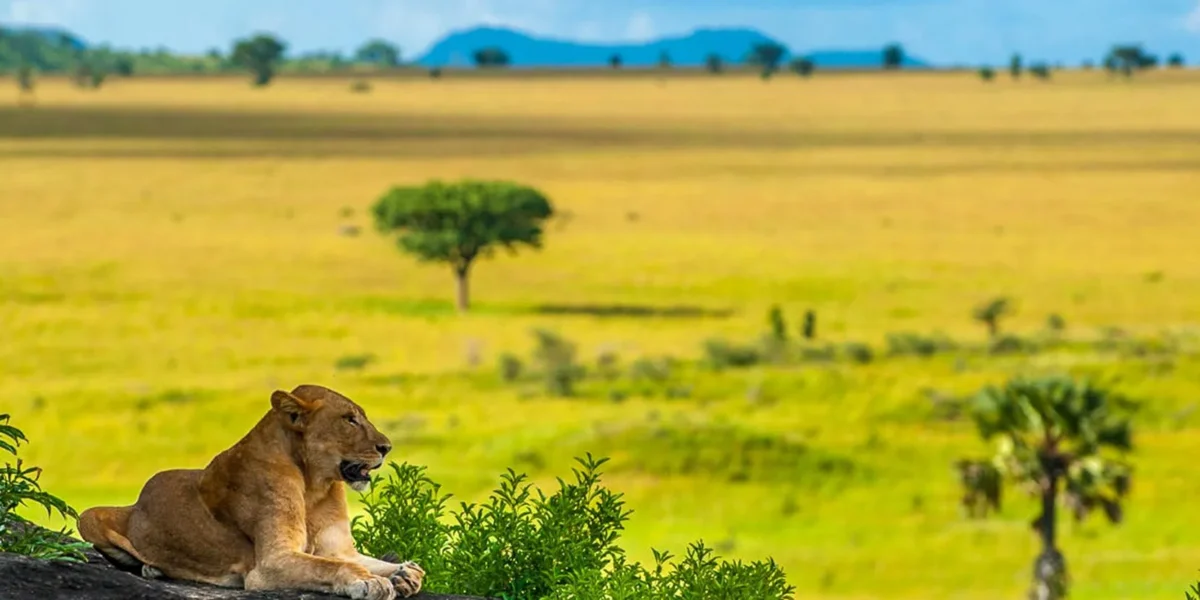
Located in western Uganda, Queen Elizabeth National Park is a treasure trove of wildlife and scenic landscapes. Famous for its tree-climbing lions, this park offers visitors a chance to witness rare animal behaviors and embark on thrilling boat safaris.
| Activity | Highlights |
| Tree-Climbing Lions | Spot the rare tree-climbing lions in the Ishasha sector. |
| Kazinga Channel Safari | Take a boat cruise to see wildlife along the channel. |
Murchison Falls National Park is Uganda’s largest national park and offers some of the most spectacular landscapes in the country. Here, the mighty Nile River forces its way through a narrow gorge, creating Murchison Falls, the most powerful waterfall in the world.
| Activity | Highlights |
| Murchison Falls | Experience the power and beauty of the world’s most powerful waterfall. |
| Game Drives | Spot a wide variety of animals across diverse landscapes. |
| Boat Safari | Cruise along the Nile River for wildlife sightings. |
Both Uganda and Rwanda are rich in cultural heritage, and beyond gorilla trekking, visitors can immerse themselves in unique cultural experiences.
| Activity | Highlights |
| Cultural Experiences | Engage with local people and communities for an authentic experience. |
| Traditional Music and Dance | Enjoy traditional dances and music performances in local villages. |
Kibale Forest National Park in Uganda is another top destination for chimpanzee trekking, offering the opportunity to see one of our closest relatives in their natural habitat. Kibale is known for its diverse primate population, which includes over 1,400 chimpanzees.
| Activity | Highlights |
| Chimpanzee Trekking | Track and observe chimpanzees in the wild. |
| Primate Watching | Enjoy sightings of various primates and other forest creatures. |
For adrenaline seekers, Jinja, located on the banks of the Nile River in Uganda, is the place to be. Experience the thrill of white-water rafting as you navigate some of the world’s most exciting rapids.
| Activity | Highlights |
| White Water Rafting | Experience the thrill of rafting on the powerful Nile River. |
| Kayaking | Paddle along the Nile for a more serene adventure. |
Mabamba Swamp in Uganda is home to the rare and elusive shoebill stork, one of the most sought-after bird species in Africa.
| Activity | Highlights |
| Shoebill Stork Tracking | Spot the rare shoebill stork in its natural habitat. |
| Birdwatching | Enjoy a variety of other bird species in the swamp environment. |
For those who enjoy hiking and adventure, Rwanda and Uganda offer some of the best volcano hiking opportunities in Africa. These hikes provide stunning views, encounters with rare wildlife, and the thrill of exploring active volcanoes.
| Activity | Highlights |
| Volcano Hiking | Hike the summits of various volcanoes in Rwanda and Uganda. |
| Lava Lake Viewing | Experience the thrilling sight of active lava lakes on Mount Nyiragongo. |
Gorilla trekking in Rwanda is an unforgettable adventure, offering a rare and intimate experience with the endangered mountain gorillas. However, like any unique wildlife experience, gorilla trekking comes with its costs. Understanding the full cost structure, including accommodation, transportation, and meals, is essential for planning your gorilla safari. This guide provides an in-depth look at what you can expect in terms of costs for each aspect of your trip, helping you make informed decisions for an extraordinary wildlife experience.
The cornerstone of your gorilla trekking experience is the permit, which grants you access to trek in Rwanda’s Volcanoes National Park, home to the mountain gorillas. As of 2024, Rwanda has set the price of a gorilla trekking permit at USD 1,500 per person. This price covers the cost of the trek, including park fees, a guide, and a contribution to conservation efforts.
| Item | Cost |
| Gorilla Trekking Permit | USD 1,500 per person |
| Conservation Contribution | Included in the permit cost |
Rwanda offers a wide range of accommodation options to suit every budget, from basic guesthouses to luxurious lodges, all of which enhance the gorilla trekking experience. The choice of accommodation will influence the overall cost of your trip. Here’s a breakdown of accommodation categories:
Rwanda boasts a number of high-end lodges near Volcanoes National Park that provide an exclusive and comfortable stay. These properties typically feature luxurious rooms, gourmet meals, and spa services. Some of the renowned lodges include Singita Kwitonda Lodge, Virunga Lodge, and Mountain Gorilla View Lodge.
Mid-Range Accommodation
For those seeking comfort without the high-end prices, mid-range accommodations provide excellent value. These lodges offer cozy rooms and attentive service, along with scenic views of the Virunga Mountains. Notable options include Le Bambou Lodge and Hotel Muhabura.
If you’re traveling on a tighter budget, there are several budget-friendly accommodations available. Basic guesthouses and hostels provide clean and simple facilities, ideal for travelers seeking a more affordable stay. Examples include Kinigi Guesthouse and Red Rocks Rwanda.
| Accommodation Category | Cost per Night (USD) | Examples |
| Luxury | USD 500 – USD 1,500 | Singita Kwitonda Lodge, Virunga Lodge |
| Mid-Range | USD 150 – USD 500 | Le Bambou Lodge, Hotel Muhabura |
| Budget | USD 50 – USD 150 | Kinigi Guesthouse, Red Rocks Rwanda |
The cost of transportation plays a significant role in the overall cost of your gorilla trekking trip, especially considering the distances between Rwanda’s major cities and Volcanoes National Park, located in the northern part of the country.
For the most comfort and flexibility, private vehicle transfers are ideal. A private 4×4 vehicle with a driver/guide can be arranged to take you from Kigali International Airport or any other major town directly to the park.
Shared Shuttle Services
For budget-conscious travelers, shared shuttle services provide an economical option. These services operate between Kigali and the Volcanoes National Park area, with set departure times and pick-up locations.
For local transport, options such as taxis or boda-bodas (motorcycle taxis) are available, but they are less common for longer journeys to the park and may not be as reliable for gorilla trekking groups.
| Transport Type | Cost (USD) | Description |
| Private Vehicle Transfer | USD 100 – USD 300 per day | Flexible, comfortable, with a guide |
| Shared Shuttle Service | USD 30 – USD 50 per person | Cost-effective, scheduled service |
| Local Transport | Varies | Taxis, boda-bodas for short trips |
Rwanda offers a variety of dining options, from local eateries to gourmet restaurants in luxury lodges. The cost of meals during your gorilla trekking trip will depend largely on where you stay and whether meals are included in your accommodation package.
At high-end lodges like Virunga Lodge and Singita Kwitonda, meals are often included in the accommodation price. These lodges offer gourmet meals prepared with fresh, locally sourced ingredients, accompanied by a fine selection of wines and other beverages.
Mid-range lodges like Le Bambou Lodge and Hotel Muhabura typically provide buffet-style meals or a set menu with options for different tastes. These meals are often made with fresh, local ingredients.
For budget travelers, local restaurants and eateries provide affordable meals, often featuring traditional Rwandan dishes such as brochettes (grilled meat skewers) and isombe (cassava leaves). Meals at local spots are typically hearty and very affordable.
| Dining Category | Cost per Meal (USD) | Description |
| Luxury Dining | USD 30 – USD 100 | Gourmet meals included in accommodation. |
| Mid-Range Dining | USD 10 – USD 30 | Buffet or set menu at lodges and restaurants. |
| Local Restaurants | USD 5 – USD 10 | Traditional Rwandan meals at affordable prices. |
While the main costs of gorilla trekking are outlined above, there are a few additional expenses that may arise during your trip:
Park Fees for Additional Activities
Besides the gorilla trekking permit, there may be additional park fees for other activities such as golden monkey trekking, hiking, or visiting the Dian Fossey Gorilla Fund.
If you choose to hire a porter for carrying your gear during the trek, or if you require a specialized guide for additional activities, these fees are separate from the permit and accommodation costs.
Gorilla trekking in Uganda and Rwanda is an exhilarating and unforgettable adventure, offering a rare opportunity to encounter the endangered mountain gorillas in their natural habitat. However, preparing for a gorilla trekking safari requires careful planning and a few key considerations to ensure a successful and safe experience. From physical fitness to the right gear, and from respectful observation to capturing the moment, these tips will help you make the most of your gorilla trekking experience in these incredible destinations.
One of the most important aspects of a successful gorilla trekking safari is being physically prepared for the trek itself. Gorilla trekking involves walking through dense, sometimes muddy, and hilly terrain for several hours to reach the gorilla family. Although the trek can vary in length and difficulty depending on the location and the specific gorilla group, it’s vital to be in good physical condition.
Though the trek itself is moderate to strenuous, the experience is well worth the effort. Keep in mind that gorilla trekking is physically demanding, so it’s essential to listen to your body and take breaks as needed.
| Fitness Tip | Exercise Type | Benefit |
| Cardio Training | Walking, Jogging, Hiking | Improves stamina and endurance |
| Leg Strengthening | Squats, Lunges, Stair Climbing | Builds strength for climbing hills |
| Endurance | Long Walks or Hikes | Enhances stamina for long treks |
When preparing for a gorilla trekking safari, having the right gear is crucial for both comfort and safety. While the conditions in Uganda and Rwanda can vary, the essentials for gorilla trekking remain constant. Here’s a breakdown of what you’ll need to ensure a smooth trek.
What to Pack:
| Item | Purpose |
| Hiking Boots | Support and grip on uneven, muddy terrain |
| Waterproof Jacket | Protection from rain and wind |
| Gloves & Hat | Comfort and protection during the trek |
| Daypack | To carry essentials like water and snacks |
A key principle of gorilla trekking is to maintain a respectful distance from the gorillas. Rwanda and Uganda’s national parks emphasize responsible wildlife viewing, and there are strict guidelines in place to ensure the safety of both trekkers and the gorillas.
By adhering to these guidelines, you contribute to the conservation of these magnificent creatures and help ensure that gorilla trekking remains a sustainable experience for future generations.
| Respectful Behavior | Action | Reason |
| Maintain Distance | Keep at least 7 meters away from the gorillas | To protect the gorillas from diseases |
| Stay Calm and Quiet | Move slowly, avoid sudden movements | To reduce stress on the gorillas |
| Limit Flash Photography | Do not use flash when taking photos | Flash can disturb the gorillas |
One of the most memorable parts of your gorilla trekking safari will be the opportunity to capture stunning photographs of the gorillas in their natural habitat. However, since gorilla trekking takes place in a dense forest environment, photographing these magnificent creatures can present challenges.
| Photography Tip | Recommended Gear | Purpose |
| Use Zoom Lens | 100mm to 400mm lens | To capture close-up shots without disturbing the gorillas |
| Use Natural Light | Early morning or late afternoon light | To enhance photo quality and create a beautiful atmosphere |
| Avoid Flash Photography | Use natural light only | To avoid disturbing the gorillas |
While regular gorilla trekking offers incredible encounters with the gorillas, gorilla habituation in Uganda is a more immersive and extended experience that goes beyond typical trekking. This unique opportunity is available in Rushaga sector of Bwindi Impenetrable National Park, where visitors spend up to 4 hours with the gorillas, rather than the typical 1 hour in a regular trek.
Gorilla habituation involves spending time with semi-wild gorilla groups to help them get accustomed to human presence. This process is key to making gorillas comfortable with human interactions, eventually allowing them to be safely observed by tourists. As a result, the habituation experience offers a much more intimate encounter with the gorillas. The longer duration allows trekkers to observe the gorillas’ behavior in greater detail and interact in a way that regular trekking does not permit.
The gorilla habituation permit costs USD 1,500 for foreign non-residents, which is significantly higher than the regular trekking permits. However, this higher price reflects the exclusive nature of the experience and the additional time spent with the gorillas.
The gorilla habituation experience includes a 4-hour interaction with the gorillas, rather than just one hour, allowing trekkers to witness more of the gorillas’ daily activities, such as feeding, resting, and interacting with other members of the group. It’s a perfect option for those seeking a more hands-on and engaging experience with the gorillas.
| Permit Type | Uganda | Rwanda |
| Gorilla Trekking Permit | USD 800 (Foreign Non-Residents) | USD 1,500 (Foreigners) |
| USD 700 (Foreign Residents) | USD 1,000 (Foreign Residents) | |
| 300,000 UGX (East African Citizens) | USD 200 (East African Citizens) | |
| Gorilla Habituation Permit | USD 1,500 (Foreign Non-Residents) | N/A |
| USD 1,000 (Foreign Residents) | ||
| 750,000 UGX (East African Citizens) | ||
| Private Gorilla Trekking Permit | N/A | USD 15,000 (Per Person) |
| Cost per Person (Private Trek) | N/A | Includes luxury transport, exclusive guide, and accommodations |
| Regular vs Private Trekking | Regular permits for shared experience | Private trek for a personalized, luxury experience |
| Gorilla Trek Duration | 1 hour with gorillas | 1 hour with gorillas |
| Duration with Gorillas | 1 hour for regular trekking, 4 hours for habituation | 1 hour for regular, more time for private trek |
Both Uganda and Rwanda offer incredible gorilla trekking experiences, but each has distinct features that cater to different types of travelers. If you’re looking for affordability and a more raw, adventurous trekking experience, Uganda’s regular gorilla trekking and gorilla habituation options are perfect. If you prefer luxury and exclusivity, Rwanda’s private trekking options offer a more comfortable, premium experience, including high-end lodges and personalized guides. Whether you choose Uganda or Rwanda, the memories of encountering the majestic mountain gorillas will last a lifetime.
Gorilla trekking is the exciting and rare adventure of hiking into the dense forests of Uganda or Rwanda to observe mountain gorillas in their natural habitat. During the trek, participants are guided by experienced rangers through the forest in search of a habituated gorilla family, where they can observe these majestic animals up close. Trekking generally takes anywhere from one to several hours, depending on the location of the gorillas. This activity offers an unparalleled opportunity to witness the social behaviors of gorillas in the wild, making it one of the most sought-after wildlife experiences in the world.
| Activity | Duration | Experience |
| Gorilla Trekking | 1-6 hours | Close-up observation of gorillas in the wild |
In Uganda, gorilla trekking is mainly done in Bwindi Impenetrable Forest National Park and Mgahinga Gorilla National Park. Bwindi is home to nearly half of the world’s remaining mountain gorillas and offers several trekking sectors. In Rwanda, the primary location for gorilla trekking is Volcanoes National Park, renowned for its stunning scenery and the opportunity to trek the endangered species. Both countries are ideal for those seeking intimate encounters with these magnificent creatures in their natural, protected environments.
| Country | Gorilla Trekking Locations |
| Uganda | Bwindi Impenetrable Forest, Mgahinga Gorilla National Park |
| Rwanda | Volcanoes National Park |
The cost of a gorilla trekking permit varies by country. In Rwanda, the cost is typically around $1,500 per person, whereas in Uganda, it is more affordable at about $800 per person. These fees cover the cost of permits, park entrance fees, and the services of a guide. Though the price difference exists, both Uganda and Rwanda offer incredible gorilla trekking experiences that are equally enriching. The permits also contribute to conservation efforts, as part of the funds go towards protecting the gorillas and their habitats.
| Country | Permit Cost (USD) |
| Uganda | $800 |
| Rwanda | $1,500 |
The best time to go gorilla trekking in Uganda and Rwanda is during the dry seasons, from June to September and December to February. During these months, the trekking conditions are easier, as the trails are less muddy and more accessible. However, gorilla trekking is a year-round activity, and the wet season (March to May and October to November) offers a more intimate experience with fewer trekkers and lush green landscapes, though the trails can be more challenging.
| Season | Best Time for Trekking |
| Dry Season | June to September, December to February |
| Wet Season | March to May, October to November |
A gorilla trekking experience typically lasts between 1 and 6 hours. The duration depends on several factors, including the location of the gorilla family, trail conditions, and the terrain’s difficulty. After reaching the gorillas, trekkers typically have an hour to observe and photograph them. This time limit ensures that the gorillas are not disturbed and allows all visitors a chance to experience these incredible animals without causing stress.
| Trekking Duration | Gorilla Viewing Time |
| Trekking Time | 1-6 hours |
| Viewing Time with Gorillas | 1 hour |
The minimum age for gorilla trekking in both Uganda and Rwanda is 15 years old. This age limit is in place for safety reasons, as the trek can be physically demanding, and the presence of young children may be disruptive to the gorillas. Additionally, young children may not fully comprehend the importance of maintaining a respectful distance from the gorillas.
| Age Requirement | Minimum Age |
| Gorilla Trekking | 15 years and above |
While gorilla trekking is accessible to many, a certain level of physical fitness is required. Trekkers should be prepared for potentially strenuous hikes, as the gorillas may be located at higher altitudes or in dense, uneven terrain. Good cardiovascular health, strength for uphill walking, and stamina are beneficial. Trekkers should be able to walk for several hours and have a reasonable fitness level to handle the trek’s challenges.
| Fitness Requirement | Level |
| Physical Fitness | Moderate to High |
For gorilla trekking, it is essential to wear durable and practical clothing. Opt for lightweight, moisture-wicking layers to keep you comfortable throughout the day. Sturdy, waterproof hiking boots are a must for traversing muddy and rocky paths. Long sleeves and pants will protect your skin from scratches and insect bites, while a hat and gloves are advisable for added protection from the environment.
| Clothing Item | Purpose |
| Hiking Boots | Traction and support on uneven terrain |
| Long Sleeves & Pants | Protection from vegetation and insects |
| Waterproof Jacket | Protection from rain |
For responsible gorilla trekking, only a limited number of people are allowed to visit a gorilla family each day. In Uganda and Rwanda, the number is restricted to 8 people per group. This limit helps minimize human impact on the gorillas, ensuring their wellbeing and preserving the natural habitat for future generations of trekkers.
| Max Group Size | Per Gorilla Family |
| Maximum Number of Trekkers | 8 |
No, it is strictly prohibited to touch a gorilla during gorilla trekking. Gorillas are wild animals, and touching them could not only harm them but also pose a risk of transmitting diseases between humans and gorillas. The guidelines are in place to ensure that the encounter remains safe and respectful for both the gorillas and the trekkers.
| Action | Guideline |
| Touching Gorillas | Not allowed |
Habituated gorillas are wild gorillas that have become accustomed to the presence of humans, allowing trekkers to safely observe them without causing stress or harm. These gorillas undergo a process of gradual exposure to human presence, which is done carefully by conservationists to ensure that the animals do not lose their natural behaviors. Only these habituated gorillas are available for gorilla trekking.
| Gorilla Type | Habituation Process |
| Habituated Gorillas | Gradual exposure to humans |
Yes, you can take photos during your gorilla trekking adventure, but it’s important to follow certain guidelines. Flash photography is strictly prohibited, as it can startle the gorillas. Use natural light and a camera with a zoom lens to capture the best shots without disturbing the animals. Be sure to respect the animals’ space and avoid using loud equipment.
| Photography Tip | Guideline |
| Flash Photography | Prohibited |
| Camera Use | Use natural light and zoom lens |
Gorilla trekking is generally a safe activity, but as with any outdoor adventure, there are risks involved. Trekkers should be prepared for challenging terrain, and all activities are closely monitored by experienced guides. The safety of trekkers and gorillas is a priority, and park authorities ensure that proper safety protocols are followed, including ensuring that trekkers maintain a safe distance from the gorillas.
| Safety Measure | Protocol |
| Gorilla Trekking Safety | Guide supervision, distance maintenance |
If you feel unwell on the day of your gorilla trekking adventure, it’s essential to notify your guide immediately. For safety reasons, trekkers who are unwell, especially with flu-like symptoms, will not be allowed to participate. This is to protect both the trekkers and the gorillas, as mountain gorillas are susceptible to human diseases.
| Condition | Action |
| Feeling Unwell | Inform your guide; you may be asked to reschedule or cancel |
The cost of a gorilla trekking permit includes several essential services. It covers the park entrance fee, ranger guide services, and the cost of monitoring and protecting the gorillas. Additionally, the fee contributes to the conservation efforts and local community support. The permits also include the cost of maintaining trails and park infrastructure.
| Cost Breakdown | Inclusions |
| Gorilla Trekking Permit | Park entry, guide fees, conservation support |
Yes, you can go gorilla trekking in both Uganda and Rwanda, although separate permits are required for each country. If you wish to trek in both destinations, you can plan a multi-country safari, but be sure to check the visa requirements and travel logistics. The experience in each country is unique, with Rwanda’s Volcanoes National Park offering dramatic volcanic landscapes and Uganda’s Bwindi Impenetrable Forest providing dense rainforest trekking.
| Country | Permit Requirement |
| Uganda | Separate Permit Required |
| Rwanda | Separate Permit Required |
In addition to gorilla trekking, both Uganda and Rwanda offer a range of complementary activities. These include bird watching, cultural tours, nature walks, and even chimpanzee trekking. In Uganda, you can also explore the stunning landscapes of Lake Bunyonyi or partake in boat cruises on the Nile River in Murchison Falls National Park. Rwanda offers hiking opportunities around Mount Bisoke and the scenic shores of Lake Kivu.
| Activity | Location |
| Chimpanzee Trekking | Kibale Forest, Rwanda’s Nyungwe Forest |
| Cultural Tours | Volcanoes National Park, Bwindi |
Booking a gorilla trekking permit is simple and can be done directly through the official park authorities or through a tour operator. It’s essential to book in advance as permits are limited, especially during peak seasons. The process involves providing personal details, selecting your trekking dates, and making a payment to secure the permit.
| Booking Method | Process |
| Direct Booking | Through park authorities |
| Tour Operator Booking | Via licensed agents |
Discounts for gorilla trekking permits are rare but can occasionally be offered during off-peak seasons or for specific groups like students or residents of East Africa. It’s advisable to check with the relevant park authorities or tour operators for any current offers or special rates.
| Discount | Available |
| Off-Peak Discounts | Occasionally |
| Special Group Rates | May apply |
The chances of seeing gorillas during your gorilla trekking adventure are very high, typically above 95%. Since the gorillas are habituated to humans and are closely monitored, it is rare to leave without seeing them. However, weather conditions and forest density can sometimes make sightings challenging, although your expert guide will do everything to ensure a successful trek.
| Chance of Sightings | Success Rate |
| Gorilla Sightings | Over 95% |
If you don’t see gorillas during your gorilla trekking experience, you may be allowed to return for another trek, usually at no additional cost, depending on the specific circumstances and park policies. However, it’s important to note that such situations are very rare, and your guide will work tirelessly to find the gorillas for you.
| No Sightings | Solution |
| Gorilla Trekking Without Sightings | Return trek if permitted |
Children under 15 are not permitted to participate in gorilla trekking for safety and conservation reasons. Trekking can be physically demanding, and the presence of children can disturb the gorillas. It’s important to plan a trip accordingly and ensure that any accompanying children are of the correct age.
| Child Participation | Age Limit |
| Minimum Age for Trekking | 15 years and above |
Yes, porters are available to assist with carrying luggage and equipment during your gorilla trekking adventure. Hiring a porter is highly recommended, as it helps support the local community and enhances your trekking experience by making it easier to focus on the hike.
| Porter Service | Availability |
| Gorilla Trekking Porters | Available in Uganda and Rwanda |
For a successful gorilla trekking experience, you should pack essentials such as a camera, binoculars, water, snacks, sunscreen, and insect repellent. It’s also advisable to bring a lightweight backpack, a rain jacket, and sturdy footwear for the trek. A small first-aid kit can be useful in case of minor injuries.
| Essential Items | Purpose |
| Water | Hydration |
| Snacks | Energy during trek |
Yes, there are a variety of accommodation options near the parks where gorilla trekking takes place. From budget-friendly guesthouses to luxury lodges, travelers can find suitable lodging near Bwindi Impenetrable Forest, Mgahinga, and Volcanoes National Park. These accommodations provide comfort and proximity to the trekking starting points.
| Accommodation Type | Location |
| Budget Options | Near Bwindi and Mgahinga |
| Luxury Lodges | Near Volcanoes National Park |